
Back Pain Treatment in Raleigh, NC for Lower, Mid and Upper Back
Back pain treatment in Raleigh, NC at Raleigh Central Chiropractic & Rehab uses adjustments and targeted rehab to ease pain in the lower, mid and upper back. Call our Glenwood South office today.
Signs Your Back Pain Needs Attention
Back pain can be a dull ache after a long day, a sharp catch when you bend or a stiffness that makes getting out of bed slow. Pain is the body's warning that something is not working well, and it is worth listening to before it changes how you move.
- Aching or stiffness across the lower back after sitting or standing
- A sharp catch when you bend, lift or twist
- Tightness between the shoulder blades that worsens at a desk
- Muscle spasms that make it hard to stand up straight
- Pain that eases with movement but returns with rest
- Back trouble that flares up again every few months
Pain that runs down a leg, or comes with numbness in the foot, points to the sciatic nerve rather than the back alone, and the doctors treat it as sciatic nerve pain. Loss of bladder or bowel control with back pain needs emergency care right away.
Common Causes of Back Pain
Your back is built from many working parts: vertebrae, the small joints between them, ligaments, muscles and the nerves that run through it all. Pain can begin in any of them, either from a sudden injury such as an awkward lift or from strain that builds over months.
Common sources include muscle strains, irritated spinal joints, poor posture, long hours of sitting, weak core muscles, falls, car accidents and the normal wear that comes with age. Sports and weekend projects such as yard work or moving furniture are frequent triggers too.
Disc problems, such as a bulging or herniated disc, are a separate cause with their own approach, including spinal decompression using the Cox Flexion Distraction technique. The doctors sort out which source is driving your pain before recommending any care.
What to Expect When You Come In for Back Pain
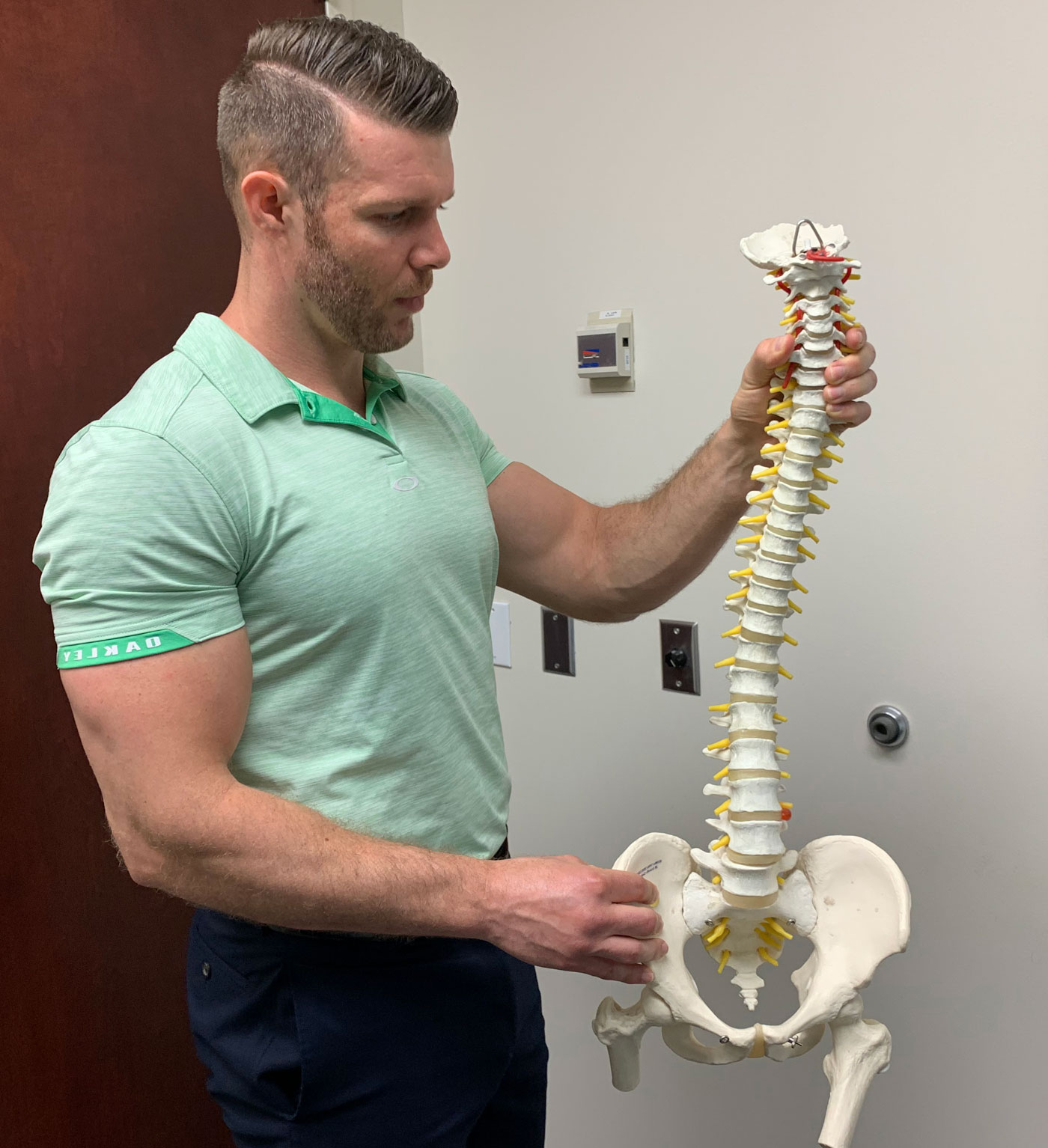
Back pain treatment in Raleigh, NC at our office depends on knowing where your pain comes from. Every new patient starts with a careful look at their history and spine, and treatment follows from what Dr. Michael Ward and Dr. Chad Chisholm find.
History and Exam
The doctor asks how the pain began, where it sits, what makes it worse and how it affects your work, sleep and activity. A physical exam then checks posture, spinal motion, muscle strength and reflexes.
Imaging if Needed
When the exam suggests a structural problem, the office can take a digital X-ray on site. If a disc or nerve issue is suspected, the doctors may refer you for an MRI.
Your Treatment Plan
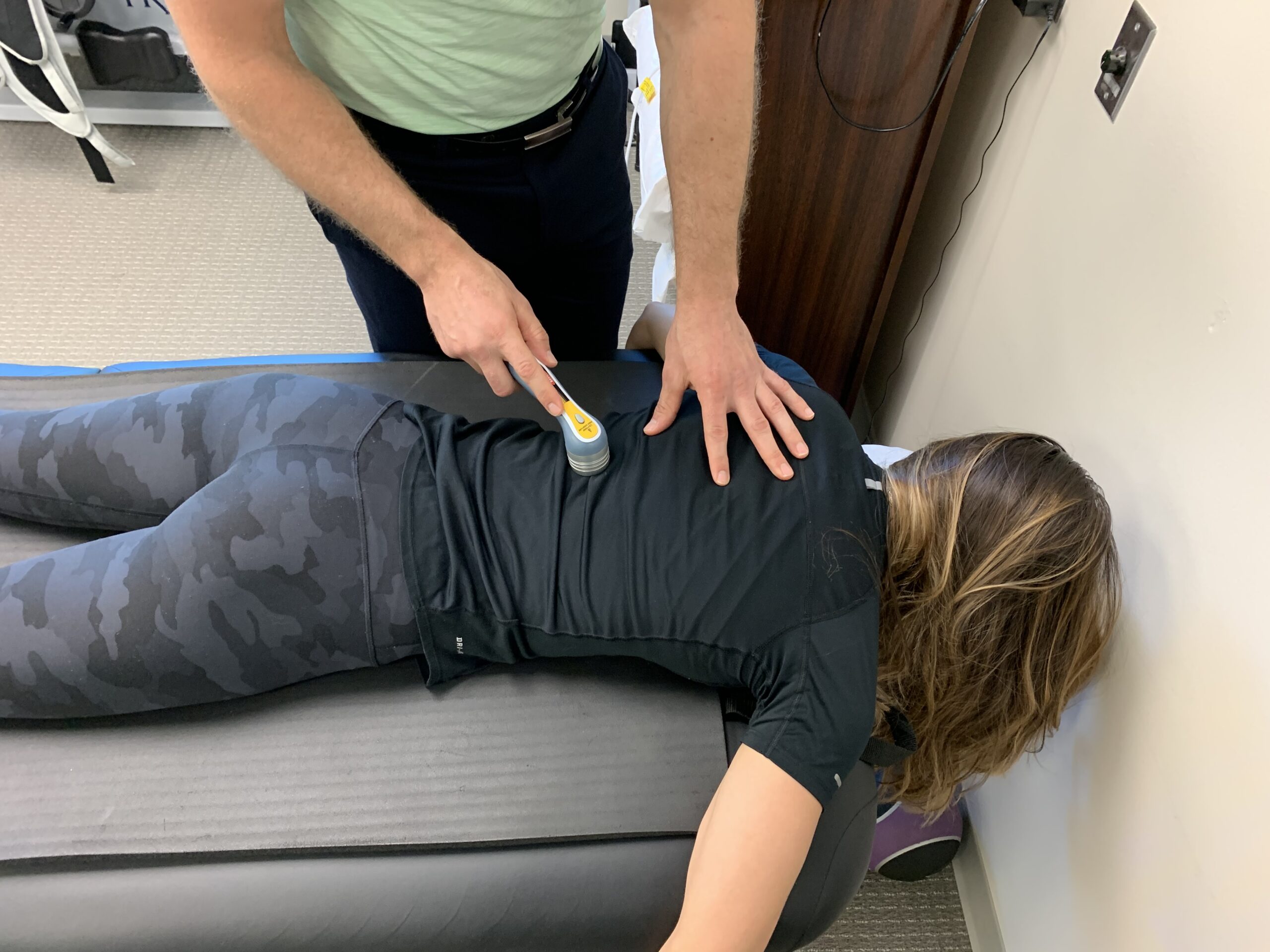
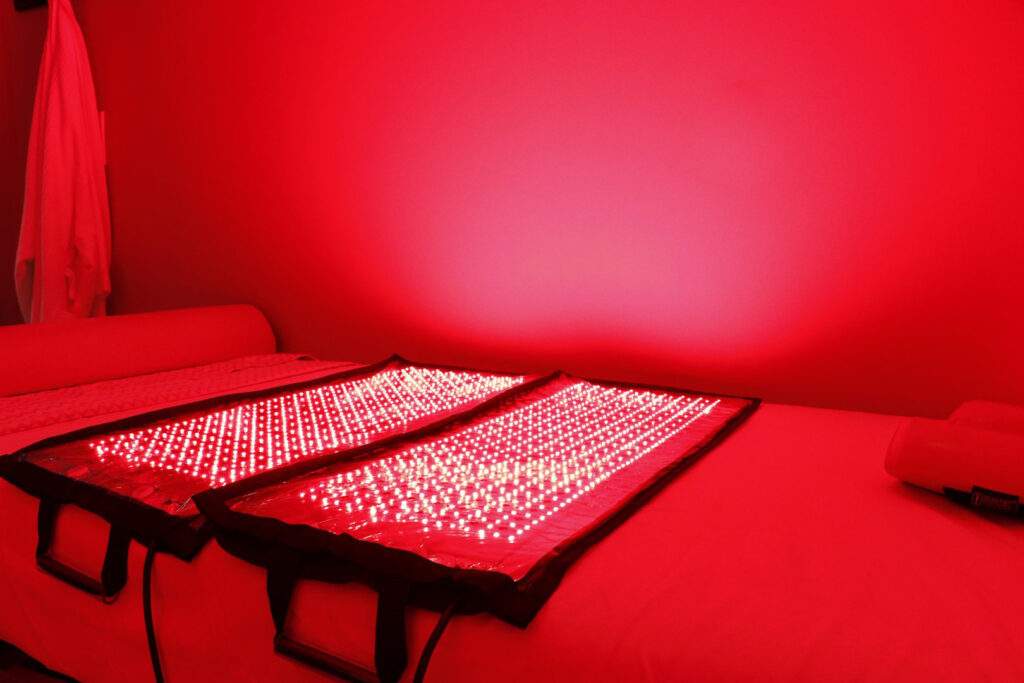
Care usually combines full spine adjustments, given by hand or with an Activator instrument, with rehab exercises. Massage, cold laser therapy or kinesio taping may be added when they suit your case.
Building Strength
As pain eases, visits shift toward strengthening your core. The doctors also work on the movement habits that strained your back in the first place.
How Lower, Mid and Upper Back Pain Differ
The lower back carries much of the body's weight and does most of the bending and lifting, which makes it the most common area for strain. Pain here often follows lifting, long drives or hours in a chair, and it may feel worse first thing in the morning. Lower back pain relief usually starts with restoring motion to stiff joints and calming the muscles guarding them.
Mid back pain sits in the thoracic spine, the section attached to the ribs. It is less common but often linked to slouched posture, twisting sports and the shallow breathing that comes with stress. Because the ribs connect here, some people feel it as a sore spot when they take a deep breath.
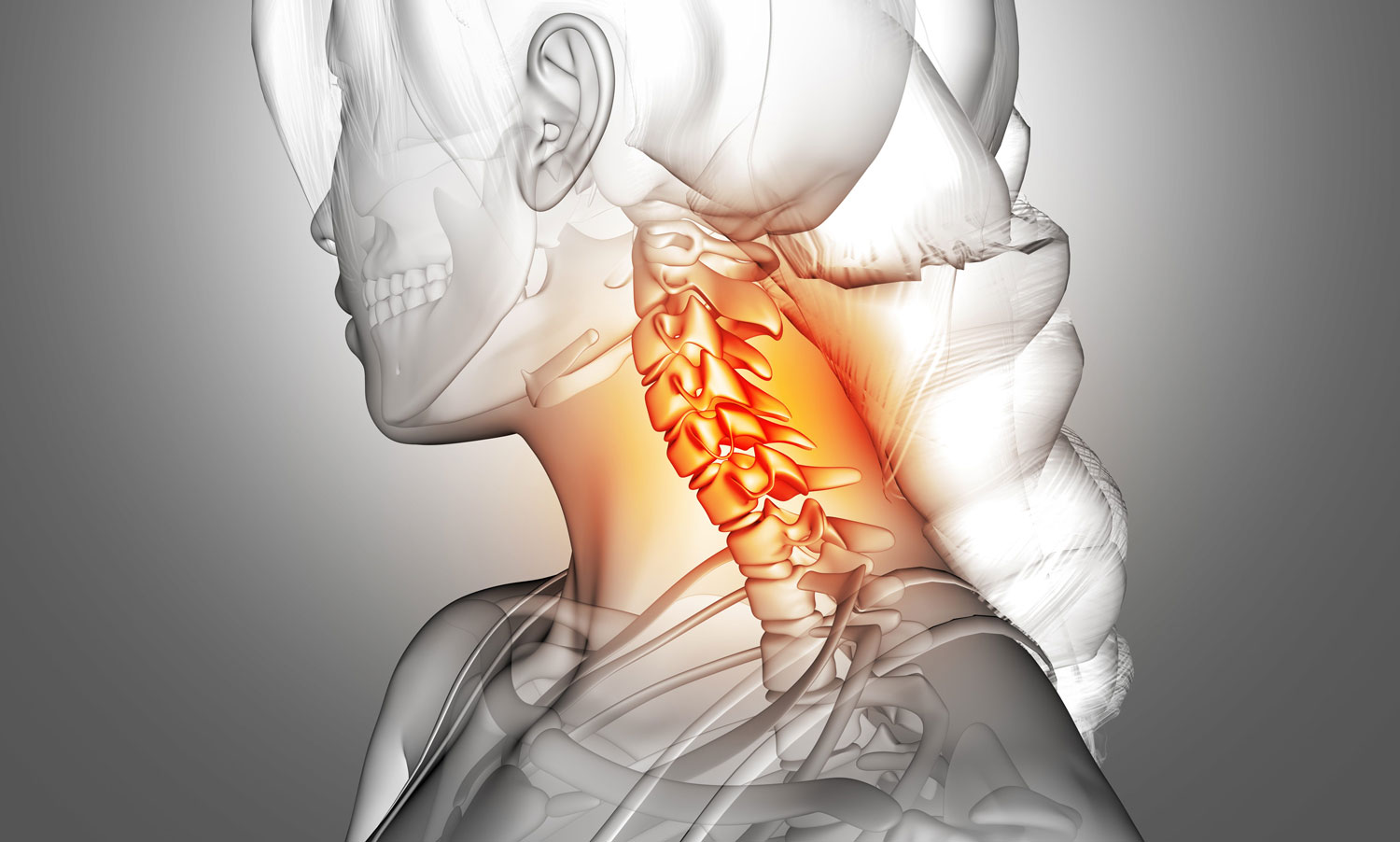
Upper back pain, between and around the shoulder blades, is closely tied to desk work, phone use and carrying bags on one shoulder. It often travels with neck tension, so the doctors check both areas together.
Adjustments Plus Rehab for Lasting Results
A chiropractic adjustment applies a quick, controlled movement to a spinal joint that is not moving well. Restoring that motion can reduce pain, ease muscle tension and improve flexibility. The doctors adjust the full spine, by hand or with the handheld Activator instrument, so stiffness in one area does not keep overloading another.
Adjustments address motion, and rehab helps the improvement last. Active rehab includes exercises that build a strong, mobile core and better control of the hips and spine, while passive rehab, such as cold laser therapy or massage, helps calm sore tissue. Together they give the back both motion and support.
This combination is a form of non-surgical back pain care, and many patients prefer to try it before turning to medication or surgery. When the exam points to a problem chiropractic care cannot help, the doctors will say so and refer you.
Keeping Back Pain From Returning
Back pain often comes back when the habits behind it stay the same. The last stage of back pain treatment in Raleigh, NC at the office focuses on giving you the strength and know-how to protect your back on your own.
The doctors teach exercises you can do at home to keep the core and hip muscles working, along with safer ways to lift, sit and sleep. Simple changes, such as standing up every half hour, setting your desk at the right height and warming up before sports or yard work, make a real difference over time.
Some patients choose periodic visits to keep their spine moving well once the pain is gone. Others check in only when they feel early warning signs. Either way, the goal is the same: fewer flare-ups and more time doing what you enjoy.
Why Raleigh Residents Choose Our Team for Back Care
Raleigh Central Chiropractic & Rehab has helped patients with back problems for over 23 years by focusing on causes rather than symptoms. Dr. Ward and Dr. Chisholm look at the whole spine and how you move, since a sore lower back is often connected to stiff hips or a tight upper back.
Everything a back pain plan usually needs is in one office: adjustments, active and passive rehab, on-site digital X-ray, massage, cold laser therapy and kinesio taping. Patients are treated like family, with straightforward explanations and a plan that changes as you improve. You will always know what each part of your care is for and how it fits the bigger picture.
Back Pain Treatment in Raleigh, NC and the Surrounding Area
The office sits on Glenwood Avenue in Glenwood South, at the edge of Downtown Raleigh, close to the offices and apartments where long hours of sitting are part of daily life. Patients also come from Cary, Garner and Millbrook for back pain treatment in Raleigh, NC that fits around their work and family schedules.
Back pain is one part of the broader chiropractic pain treatment the doctors provide. If your pain runs down one leg, the approach for sciatica applies, and bulging or herniated discs are treated with spinal decompression. Sorting this out early keeps your care focused on the true source. Call (919) 829-5757 and the team will help you figure out where to start.
Back Pain Questions From Raleigh Patients
Should I rest or get checked when my back hurts?
Light activity is usually better than bed rest for a typical back strain, since gentle movement keeps joints and muscles from stiffening. If the pain lasts more than a few days, keeps returning or limits your work and sleep, an exam can find the cause. Seek emergency care for back pain with fever, numbness in the groin or loss of bladder control.
What is the difference between back pain and sciatica?
Back pain stays mostly in the back itself, while sciatica involves irritation of the sciatic nerve and sends pain, numbness or tingling down the buttock and leg. The two can occur together. The doctors test nerve function during the exam to tell them apart, because the plan for nerve pain differs from care for a strained back.
Can desk work cause pain between the shoulder blades?
Yes. Leaning toward a screen rounds the shoulders and lets the head drift forward, which loads the muscles between the shoulder blades for hours at a time. The doctors adjust stiff joints in the upper and middle back and show you desk changes and stretches that help, such as raising your monitor and taking regular posture breaks.
How long does it take to recover from back pain?
Recovery depends on the cause, how long the pain has been present and your general health. A recent muscle strain may improve within a few visits, while back pain that has built up over years often takes a longer plan. The doctors recheck your motion and comfort at each visit and adjust your care as you improve.
Is chiropractic care safe for older adults with back pain?
Chiropractic care can be adapted for older adults, and the doctors examine you first to check for conditions such as arthritis or bone thinning. When a lighter touch is needed, the Activator instrument delivers a gentle, precise impulse instead of a manual adjustment. Rehab exercises are also scaled to your strength and comfort.
Get Back to Moving Comfortably
Back pain has a way of shaping every part of the day, from the commute to the workout to a good night's sleep. Call Raleigh Central Chiropractic & Rehab at (919) 829-5757 or request an appointment, and the doctors will find the source of your pain and map out a plan to ease it.