


Migraine and Headache Relief in Raleigh, NC Through Chiropractic Care
Migraine and headache relief in Raleigh, NC starts with finding what sets off your pain, from a restricted neck to tight muscles and daily habits. Call our Glenwood South office to get started.
Headache and Migraine Symptoms to Watch For
Headaches come in several forms, and no single treatment works for everyone. Some feel like a band squeezing the forehead, others throb on one side, and some begin at the base of the skull and creep upward. Noting how yours behave helps the doctors narrow down the cause.
- Pain that starts at the back of the head or neck and moves forward
- Sensitivity to light or noise during an episode
- Nausea or vomiting along with the headache
- Tight, tender spots in the neck, shoulders or jaw
- Trouble focusing on a screen or reading for long periods
- Irritability or low mood on headache days
Frequent headaches can wear down your focus at work, your sleep and your time with family. When they come often or keep getting worse, they deserve a proper exam rather than another round of guesswork. Lasting migraine and headache relief in Raleigh, NC starts with understanding your own pattern.
Common Causes of Recurring Headaches
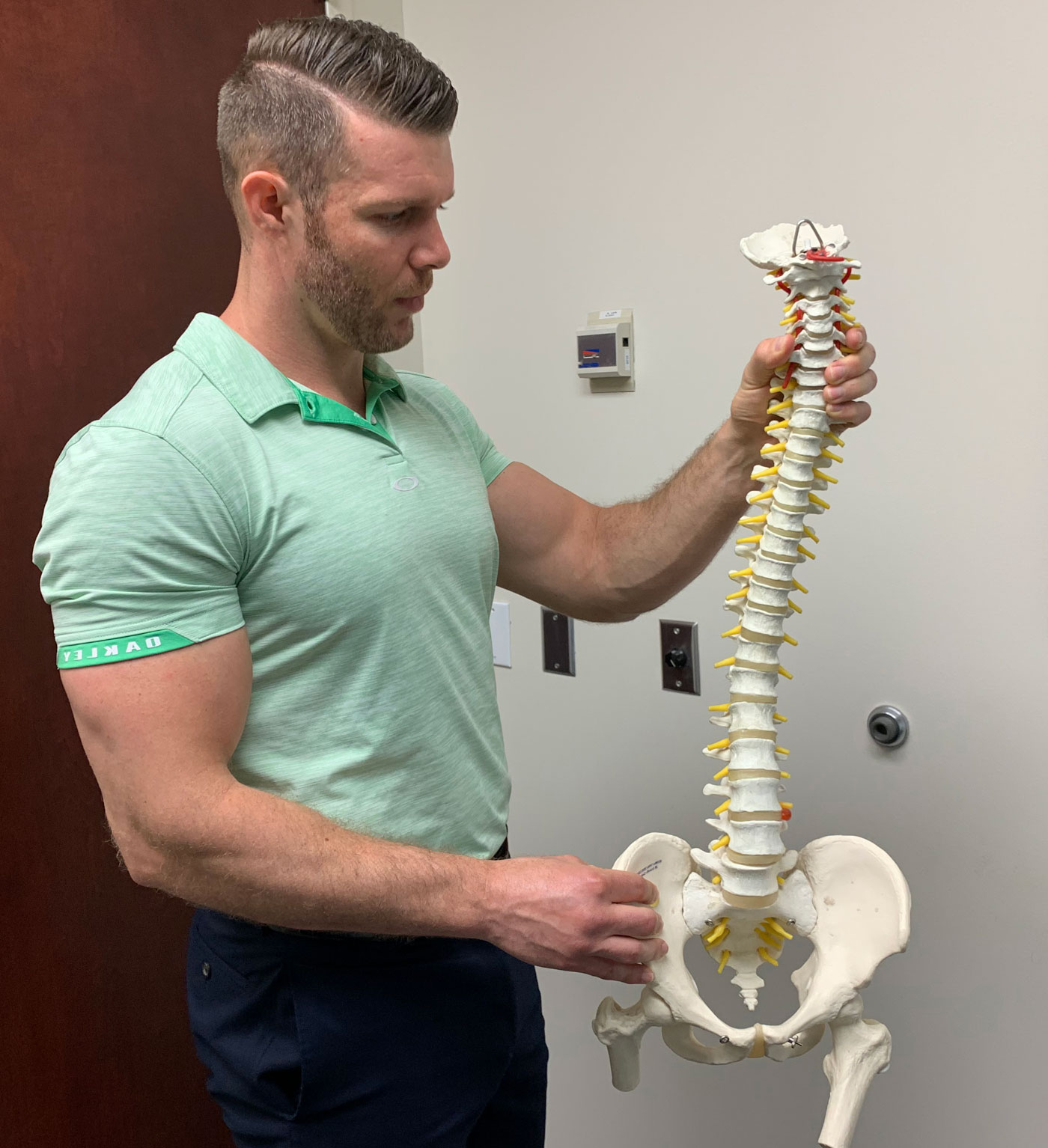
A restriction in the joints of the upper neck is one of the first sources the doctors look for. When the top vertebrae do not move well, the nerves and muscles around them can become irritated and refer pain into the head. Old injuries, such as whiplash from a car accident, can leave this kind of restriction behind.
Muscle tension is another frequent cause. Long hours at a desk, clenching the jaw and carrying stress in the shoulders all tighten the muscles that attach to the skull. Over time, small knots form in those muscles and send pain to the temples, behind the eyes or across the forehead.
Daily habits play a part too. Skipped meals, too little water, poor sleep, certain foods and screen glare can all make a headache more likely, which is why the doctors ask about your routine as well as your spine.

What to Expect at Your First Headache Visit
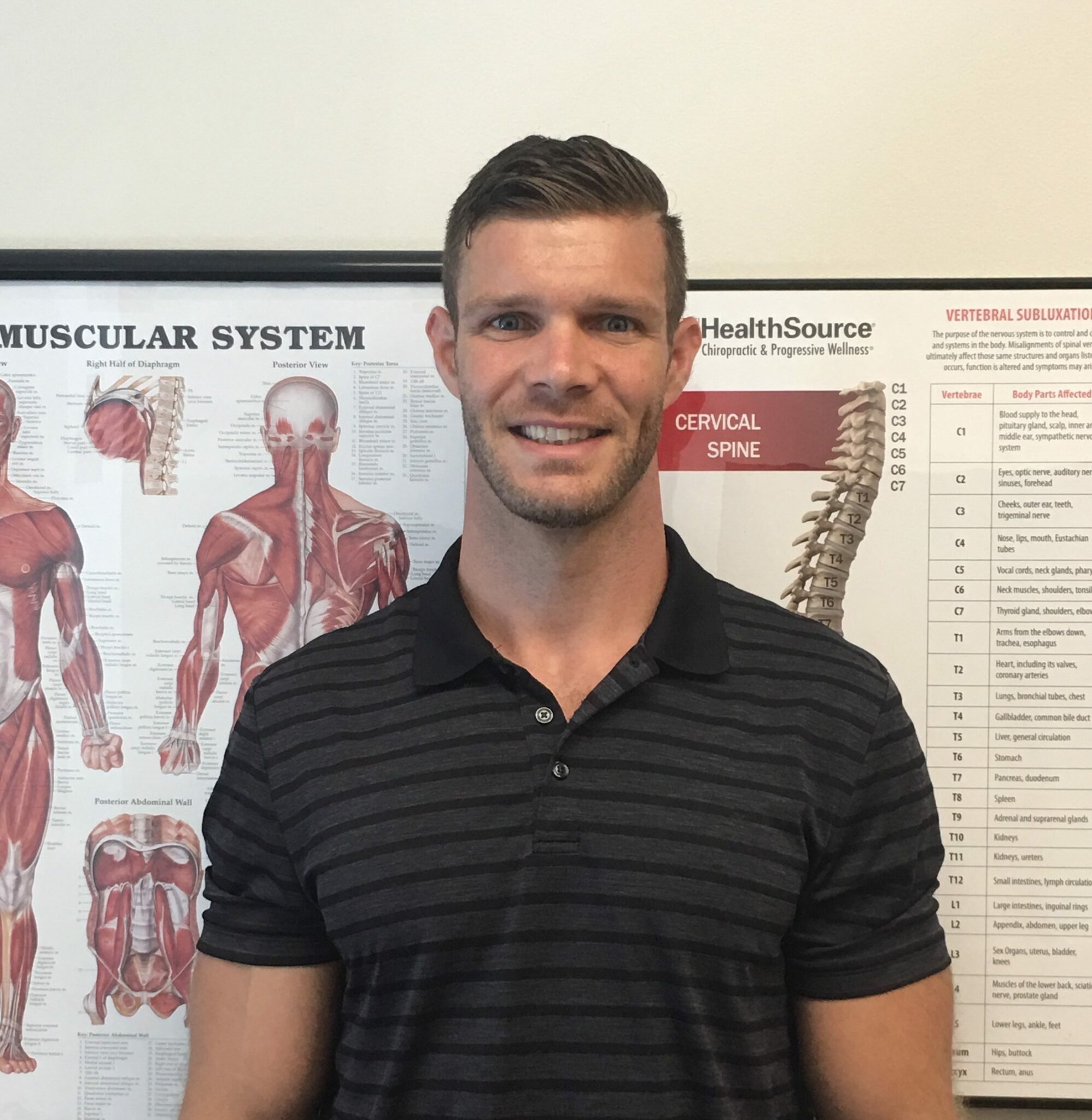
Every headache plan begins with questions and an exam, because the right care depends on the type of headache you have. Dr. Michael Ward and Dr. Chad Chisholm look for a cause they can address, then build a plan around it.
Health History
The doctor asks how often headaches strike, how long they last, where the pain sits and what seems to set them off. A headache diary, if you keep one, is helpful to bring along.
Physical Exam
The exam checks posture, neck motion, muscle tightness and nerve function. Some cases call for further testing, such as an X-ray taken in the office or a referral for an MRI.
Hands-On Care
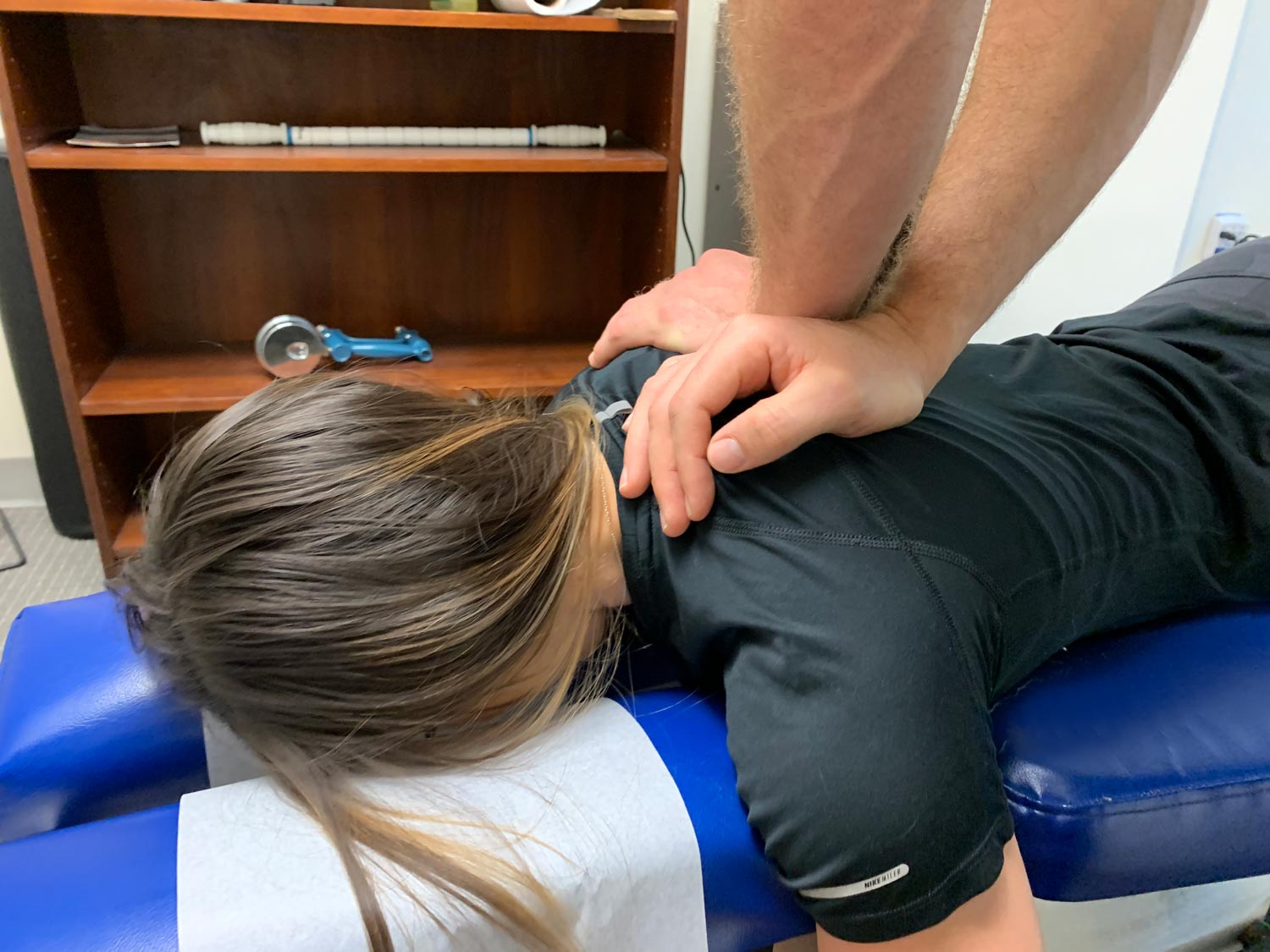
When the neck or its muscles are part of the problem, care may include full spine adjustments and soft tissue work. Adjustments improve motion in the spinal joints and can ease muscle tension in the neck and head.
Lifestyle Review
The doctors also look at whether supplements, diet or changes at home and work could reduce how often headaches return. They talk through what is realistic for your schedule.
Headaches From the Neck and Upper Spine
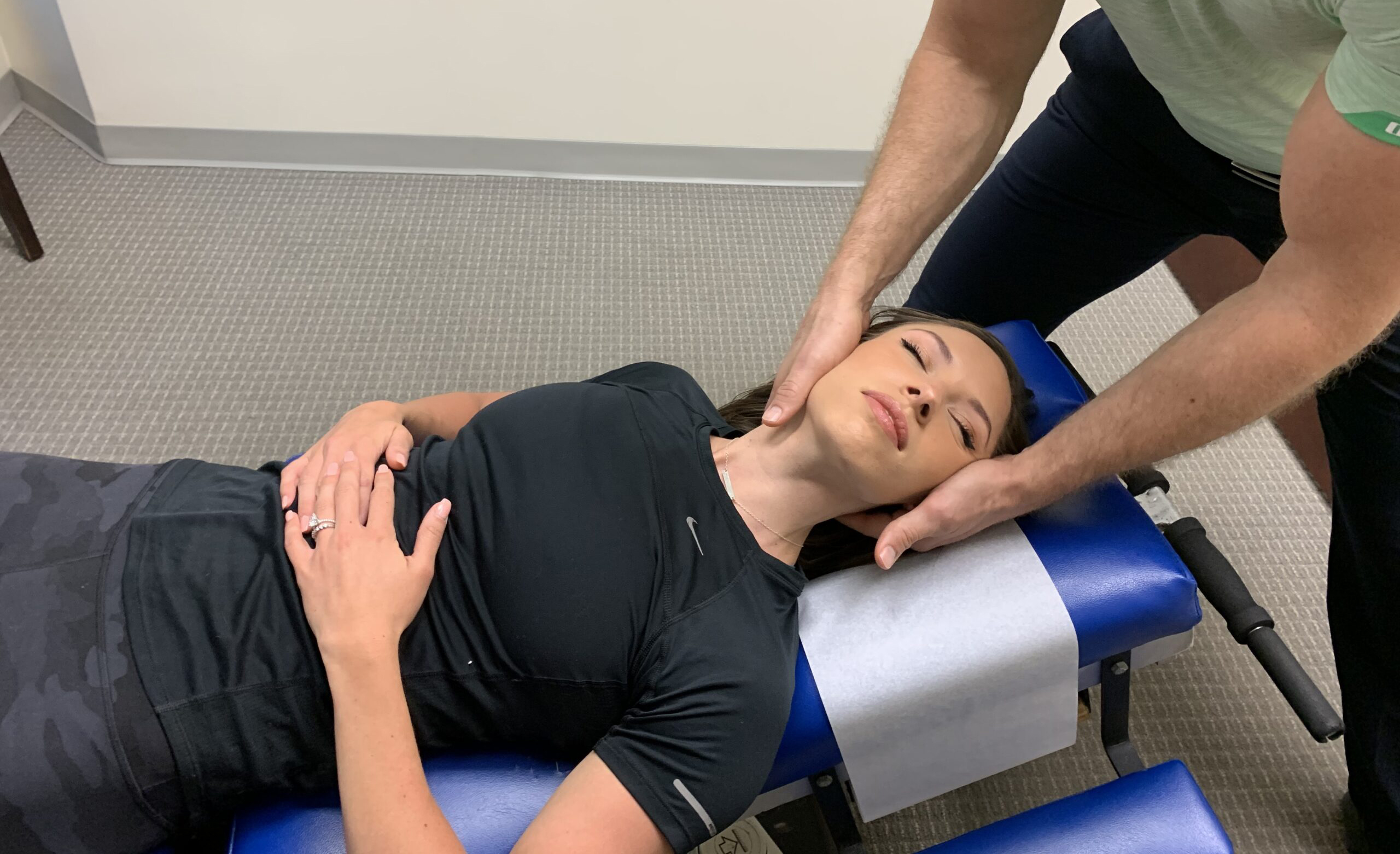
Headaches from the neck, often called cervicogenic headaches, begin with a problem in the cervical spine rather than in the head itself. They usually start on one side at the base of the skull, may spread toward the eye or temple, and often get worse with certain neck positions or long periods at a screen.
Because the source is in the neck, care focuses there. A chiropractic adjustment restores motion to restricted joints in the upper neck, which may calm irritated nerves and reduce muscle spasms. Patients who prefer a gentler approach can be adjusted with the handheld Activator instrument, which uses a light, precise impulse instead of a twist.
Many people with this type of headache also live with ongoing neck stiffness. The doctors treat both together, since neck pain and stiffness and recurring headaches often share the same root in posture and joint motion.
Tension Headaches and Trigger Points in the Neck
Tension headaches are the type most people know: a dull, pressing ache across the forehead or around the head like a tight band. They often build slowly through the day and are closely tied to stress, posture and muscle fatigue.
Trigger points in the neck and upper shoulders are a frequent part of the picture. These are tight, tender spots in a muscle that refer pain elsewhere, so a knot near the shoulder blade can be felt as pain behind the eye. Pressing on one often reproduces the familiar headache, which helps the doctors confirm the source.
Care may combine adjustments with soft tissue work, stretching and exercises that strengthen the muscles supporting the head. Cold laser therapy and massage are also available in the office and may be added when tight muscles are slow to release.
Nutrition and Lifestyle Factors Behind Frequent Headaches
Spinal care is only part of headache prevention. Raleigh Central Chiropractic & Rehab combines the structure and function of the spine and nervous system with attention to diet and nutrition, because what you eat, drink and do each day can affect how often headaches return.
During your visits, the doctors may ask about water intake, caffeine, meal timing, sleep and stress. They can tell you whether certain supplements might be worth considering and suggest practical changes at home or work, such as regular screen breaks, a better pillow or a steadier bedtime.
Chiropractic care is not a replacement for migraine treatment from your physician, and the doctors are glad to work alongside it. Many patients find that pairing hands-on care with a few steady habits gives them longer stretches between headaches.
Why Headache Sufferers Choose Our Glenwood South Office
For over 23 years, Raleigh Central Chiropractic & Rehab has focused on the reasons behind pain rather than masking it. Dr. Ward and Dr. Chisholm look at the whole spine, your posture and your daily routine before suggesting care, so the plan fits the kind of headaches you actually have. That attention to cause is the foundation of migraine and headache relief in Raleigh, NC at the office.
Adjustments, rehab, massage and cold laser therapy are all available in one office, which keeps care simple to coordinate. Patients are treated like family, with clear explanations and a plan that changes as you improve. When a headache pattern points to something outside chiropractic care, the doctors will tell you and suggest the right next step.
Migraine and Headache Relief in Raleigh, NC and Nearby Towns
The office on Glenwood Avenue sits in Glenwood South, on the edge of Downtown Raleigh, where many patients spend long days at screens and desks. People also travel from Cary, Garner and Millbrook for migraine and headache relief in Raleigh, NC, often planning visits around the workday.
Headaches are one of several problems the doctors treat. Their chiropractic pain treatment also covers neck pain, back pain, disc problems and sports injuries, which matters because headaches often arrive alongside neck and upper back tension. Call (919) 829-5757 with any questions about whether your headaches are a good fit for chiropractic care, and the team will help you decide on a first step.
Headache and Migraine Questions
Can chiropractic care help migraines?
Chiropractic care may help some people with migraines, especially when neck restriction, muscle tension or posture seems to play a part. It is not a cure, and migraines have many triggers. The doctors examine you first, explain whether adjustments and soft tissue care are likely to help, and can work alongside the care your physician has prescribed.
How can I tell if my headache is coming from my neck?
Headaches that start at the base of the skull, sit mostly on one side and get worse with certain neck movements or long periods at a desk often have a neck component. Stiffness and tender spots in the upper neck are common clues. An exam that tests neck motion and presses on those areas helps the doctors confirm it.
What should I bring to my first headache appointment?
Bring a list of the medications and supplements you take, notes on how often your headaches happen and what seems to trigger them, and any recent imaging reports. A simple headache diary covering a few weeks is especially useful. The more the doctors know about your pattern, the more focused your exam and plan can be.
When is a headache an emergency?
Seek emergency care for a sudden, severe headache unlike any you have had, a headache after a head injury, or one that comes with fever, confusion, vision loss, weakness or trouble speaking. These can signal a serious medical problem. Chiropractic care is for recurring headaches that have been checked, not for these warning signs.
How soon might I notice fewer headaches?
It varies from person to person. Some patients notice a change in how often or how strongly headaches strike within the first few weeks of care, while long-standing patterns can take longer to shift. The doctors track your progress at each visit and adjust the plan, including any lifestyle or nutrition changes, based on how you respond.
Take Back the Days Headaches Steal
Headaches that keep returning are worth a closer look. Call Raleigh Central Chiropractic & Rehab at (919) 829-5757 or request an appointment, and the doctors will look for what is driving your headaches and build a plan to reduce them.