

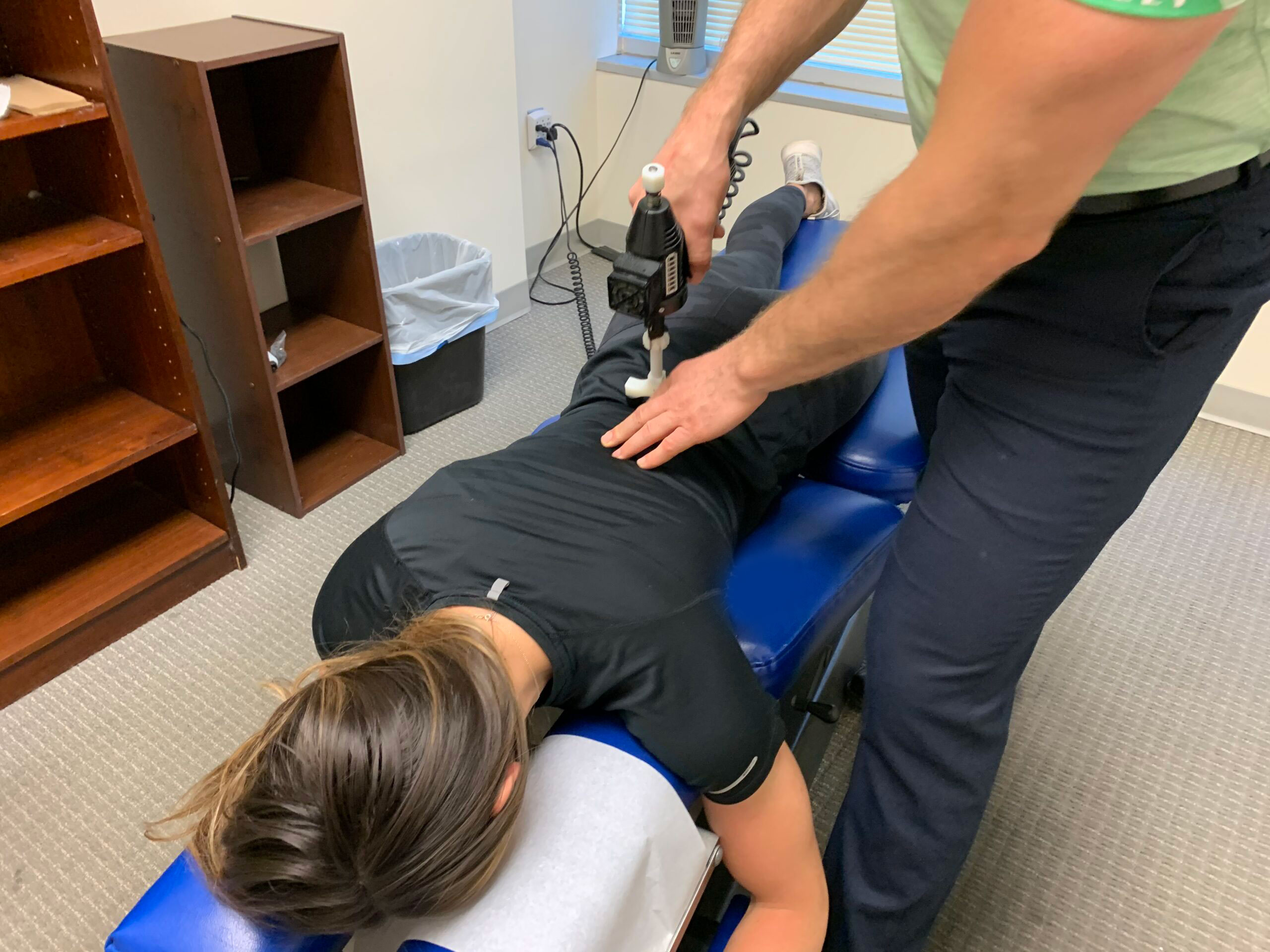
Chiropractic Adjustment in Raleigh, NC, by Hand or Activator
A chiropractic adjustment in Raleigh, NC uses brief, precise pressure, by hand or with an Activator instrument, to restore motion to stiff spinal joints. Call (919) 829-5757 to book a visit near Glenwood South.
Signs a Full Spine Adjustment May Help
Spinal joints lose their normal motion for many everyday reasons. Long hours at a desk, uneven strength from one side to the other and sudden events such as a car accident can leave a joint stuck or moving poorly. The muscles around it then tighten to guard the area, and the stiffness spreads.
- Neck or back stiffness that returns after a long workday
- Pain that limits turning your head or bending forward
- Headaches that seem to start in the neck or shoulders
- Soreness that lingers after a fall, a game or a car accident
- Posture that has drifted forward from screens and sitting
- Tightness that makes workouts or chores harder than they should be
A full spine adjustment looks at the whole column, from the neck to the pelvis, rather than one sore spot. Many patients find that the area that hurts is compensating for a stiff joint somewhere else.
What to Expect at Your First Adjustment Visit
Your first visit starts with a conversation, not the table. Dr. Michael Ward or Dr. Chad Chisholm asks about your symptoms, your work and your activity level, then checks how your spine and joints move.
Questions and Exam
Your chiropractor reviews your history and checks posture, range of motion and the joints that feel restricted. The goal is to find the underlying cause of the pain, not only the place where it shows up.
Imaging When Needed
Some cases call for a closer look before any adjustment. The office has on-site digital X-ray, and an MRI referral is arranged when the exam points that way.
Your First Adjustment
Once the plan is clear, the adjustment itself takes only moments. You are told which joints are being adjusted and which method suits you, by hand or with the Activator.
Follow-Up and Rehab
Later visits track how your joints respond. Rehab exercises are added to build a strong, mobile core, so the progress you make on the table holds between visits.
Hands-On Spinal Manipulation for Stiff Joints
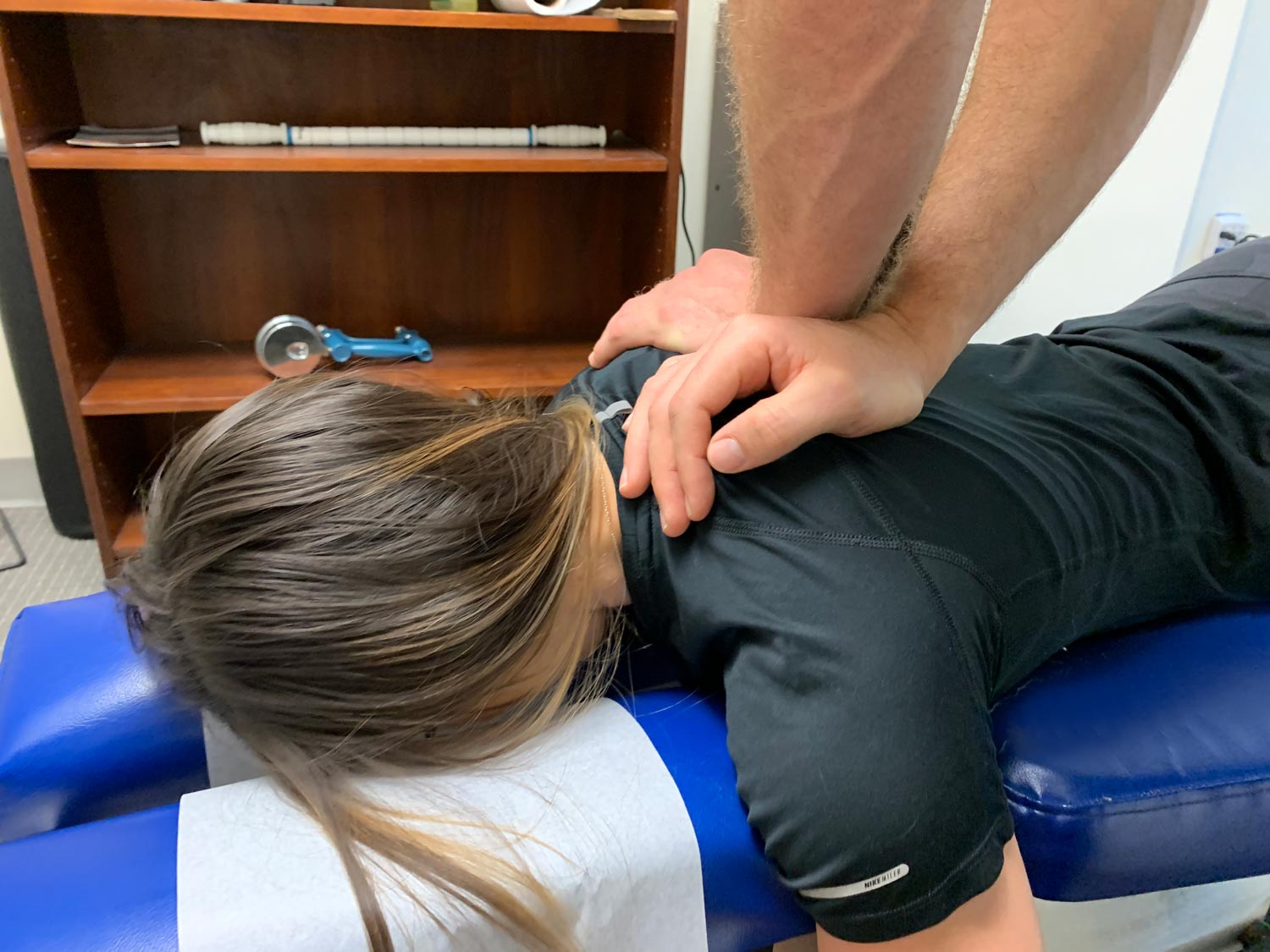
Spinal manipulation is the classic form of chiropractic care: a quick, controlled push applied by hand to a joint that is not moving the way it should. The movement is small and aimed at one segment of the spine at a time. Its purpose is to restore spinal joint mobility so the muscles around that joint can relax.
During a hands-on adjustment you may hear a soft pop or click. That sound is called joint cavitation. It comes from a change in pressure inside the joint as it opens, not from bones cracking, and some adjustments make no sound at all.
Hands-on adjusting suits many adults with neck pain, mid back stiffness or lower back tightness. Your chiropractor positions you on the table so the joint can move with as little force as possible. You are asked how it feels at each step, and you can pause at any point.
Activator Adjusting Instrument for a Gentler Approach
Some patients would rather not be twisted or turned. The Activator adjusting instrument is a small handheld tool that delivers a quick, light impulse to one exact point on the spine or an extremity joint. There is no push from the chiropractor's hands, and in most cases there is no popping sound.
The Activator is a good fit for people who feel tense about manual adjusting, for older adults, and for anyone whose joints are sore after a recent injury. It also lets your chiropractor work precisely on small joints in the wrist, hand, ankle or foot.
Many patients receive a mix of both methods during the same visit. Your chiropractor explains each choice, and you can always ask for the instrument instead of a manual adjustment. Either way, the aim is the same: free movement in the joint and less irritation of the nerves nearby.

What Shapes Your Adjustment Care Plan
There is no set number of visits that fits everyone. A stiff neck that started last week usually needs a shorter plan than back pain that has built up over several years. The cause matters too: a joint locked up from desk posture behaves differently from one injured in a car accident.
Your age, your general health and how active you are all play a part, as do the findings from your exam and any X-rays. How your body responds over the first few visits is one of the clearest guides, so the plan is reviewed and adjusted as you improve.
Your own goals shape the schedule as well. Some patients want relief from one painful episode, while others choose regular adjustments as part of ongoing wellness care. Home exercises, posture changes at work and advice on diet and nutrition can shorten the time you need on the table. Each chiropractic adjustment in Raleigh, NC at our office follows a plan written for you, never a fixed package.
Why Patients Choose Our Office for Adjustments
Raleigh Central Chiropractic & Rehab has been helping patients on Glenwood Avenue for more than 23 years. Two chiropractors, Dr. Michael Ward and Dr. Chad Chisholm, adjust patients here, and both offer hands-on and Activator methods, so you are never limited to one technique.
The office looks past the sore spot to the underlying cause. Adjustments are paired with active and passive rehab from head to toe, and imaging is available on site when your exam calls for it. That means fewer trips to other offices before your care can begin.
Patients here are treated like family. Your chiropractor explains what was found, what each adjustment is meant to do and what you can do at home. If you have been putting off a chiropractic adjustment in Raleigh, NC, a first visit will show you where your spine stands.
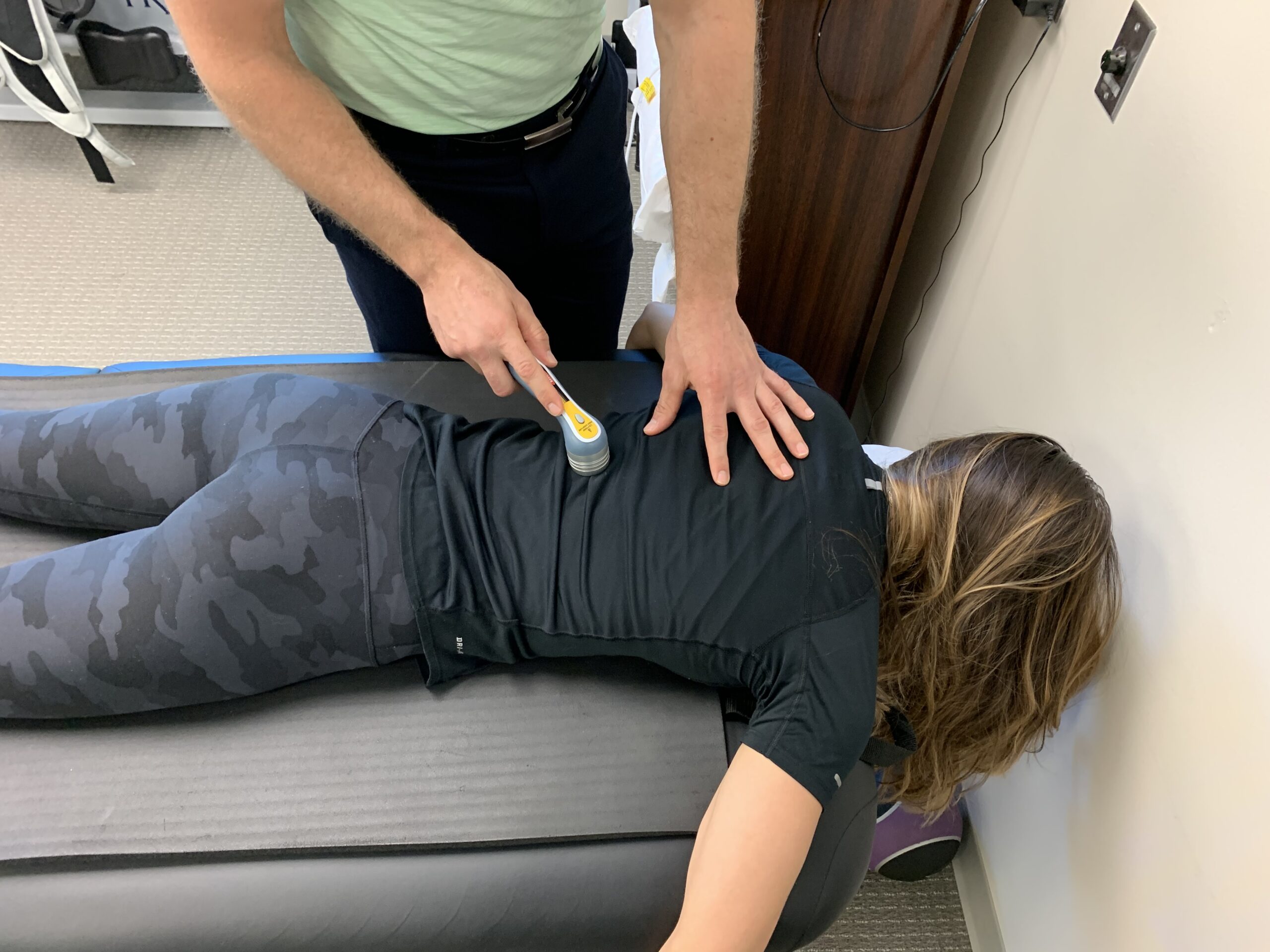
Chiropractic Adjustment in Raleigh, NC, Close to Glenwood South
Our office sits at 301 Glenwood Ave #200, Raleigh, NC 27603, in Glenwood South on the edge of Downtown Raleigh. Many patients come in before or after work downtown, and the office opens at 7:30 AM on Monday, Wednesday and Friday.
Patients also travel from Cary, Garner and Millbrook for a chiropractic adjustment in Raleigh, NC. Adjustments often work alongside our other chiropractic and rehab services, including digital X-ray in Raleigh when a closer look at the spine is needed first.
People who sit at desks downtown often arrive with tight necks and lower backs, while weekend runners and gym regulars tend to bring stiff hips and mid backs. Whatever your routine looks like, the adjustment plan is built around it, not around a standard template.
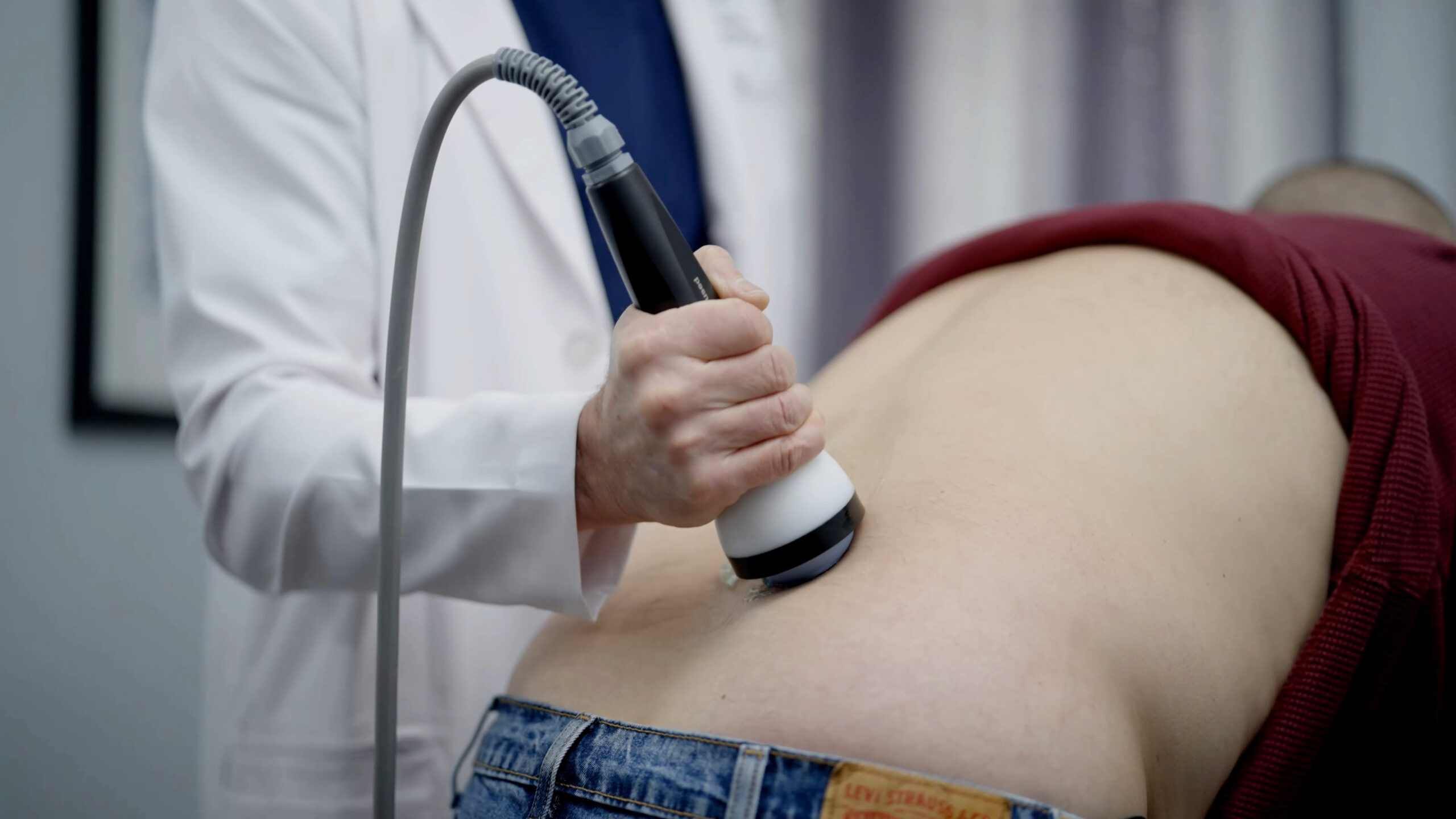
Common Questions About Spinal Manipulation
Does a chiropractic adjustment hurt?
Most patients feel firm pressure for a moment rather than pain. Some notice mild soreness for a day or so afterward, much like the feeling after a new workout. If a joint is very tender, your chiropractor can use the Activator instrument or a lighter hands-on technique, and you can ask to pause or change methods at any point during the visit.
What is the popping sound during an adjustment?
The pop is called joint cavitation. When a joint opens slightly, the pressure inside it changes and releases gas from the joint fluid, which makes the sound. It is not bones cracking or rubbing together. Many effective adjustments make no sound at all, so a quiet adjustment does not mean it did not work.
Can I choose the Activator instead of a manual adjustment?
Yes. Both chiropractors at the office use the Activator adjusting instrument, and you can ask for it at any visit. It delivers a light, quick impulse without twisting, which many patients prefer when they feel nervous, are sore from a recent injury or simply like a gentler touch. Some patients use both methods in the same visit.
Do I need an X-ray before my first adjustment?
Not always. Your chiropractor decides after asking about your symptoms and examining you. An X-ray is more likely after a car accident or a fall, when pain is severe or long lasting, or when the exam suggests a disc problem. The office has digital X-ray on site, and an MRI referral is arranged when more detail is needed.
How often will I need adjustments?
It depends on how long the problem has been there, what caused it and how your body responds. A recent strain may need only a few visits, while a long-standing problem usually needs a longer plan. Your chiropractor reviews your progress regularly and spaces visits further apart as your joints move better and the pain settles.
Get Your Spine Moving Again
Stiff joints rarely loosen up on their own, and the longer they stay restricted, the more the muscles around them tighten. Call Raleigh Central Chiropractic & Rehab at (919) 829-5757 to book your first adjustment, or send a request and the office will reach out to set a time.