

Sciatica Treatment in Raleigh, NC for Leg and Lower Back Pain
Our sciatica treatment in Raleigh, NC finds why your sciatic nerve is irritated, then works to relieve the pain and keep it from returning. Call (919) 829-5757 to book an exam.
Signs of Sciatic Nerve Pain in the Leg and Lower Back
Sciatica describes pain that follows the path of the sciatic nerve, from the lower back through the buttock and down the back of the leg. It usually affects one side. The feeling ranges from a dull ache to a sharp, electric jolt that makes sitting or walking hard.
- Pain that shoots from the low back or buttock into the leg
- Leg pain and numbness that can reach the foot
- Tingling or a pins and needles feeling in the calf or toes
- Weakness when lifting the foot or pushing off to walk
- Pain that flares when you sit, cough or sneeze
- Steady lower back pain alongside the leg symptoms
Symptoms can come and go for months at a time. Many people learn to work around them, which often lets the underlying problem continue unchecked.
How a Pinched Nerve in the Lower Back Turns Into Sciatica
The sciatic nerve is the largest nerve in the body, formed by several nerve roots that leave the spine near its base. Sciatica begins when a spinal structure puts pressure on one of those lumbar or sacral nerve roots. The nerve then sends pain, tingling or numbness along its path into the leg.
A pinched nerve in the lower back rarely happens overnight. Small changes in how the spine moves can load one area more than it can handle, and the tissues around the nerve slowly become crowded or inflamed. A single bend or lift may then be the moment symptoms appear, even though the strain built up over time.
Without care, an episode can last for weeks or months and make normal tasks difficult. Even when the pain fades on its own, the biomechanical stress behind it often remains, which sets the stage for the next flare.

What to Expect During Sciatica Care
Each visit builds on the one before. Dr. Michael Ward and Dr. Chad Chisholm start by finding where the nerve is being irritated, then plan care around that cause instead of the symptoms alone.
History and Exam
You explain where the pain travels, how long it has lasted and what sets it off. The doctor checks your posture, reflexes, strength and the movement of your lower back and hips.
Finding the Source
Orthopedic and neurological tests help pinpoint which nerve root is involved. On-site digital X-ray or an MRI referral is used when more detail is needed.
Relief, Then Rehab
Early visits focus on easing pressure on the nerve. As the pain settles, care shifts to rehab exercises that help you stay well.
Common Causes of Sciatic Nerve Irritation
Several different problems can press on the sciatic nerve roots, and the right care depends on which one is present. Disc problems are among the most frequent causes, since a bulging or herniated disc can push into the space where a nerve root exits the spine.
- Bulging or herniated discs in the lower back
- Worn, thinning discs that narrow the space around a nerve
- Spinal joints that are misaligned or not moving well
- Tight muscles deep in the buttock and hip
- Poor posture and long hours of sitting
- Weak core and glute muscles that let the spine take extra load
Many patients have more than one of these at once. Sorting them out is the first job of the exam, because treating the wrong cause only wastes time.

Sciatic Nerve Pain Relief Without Prescription Drugs
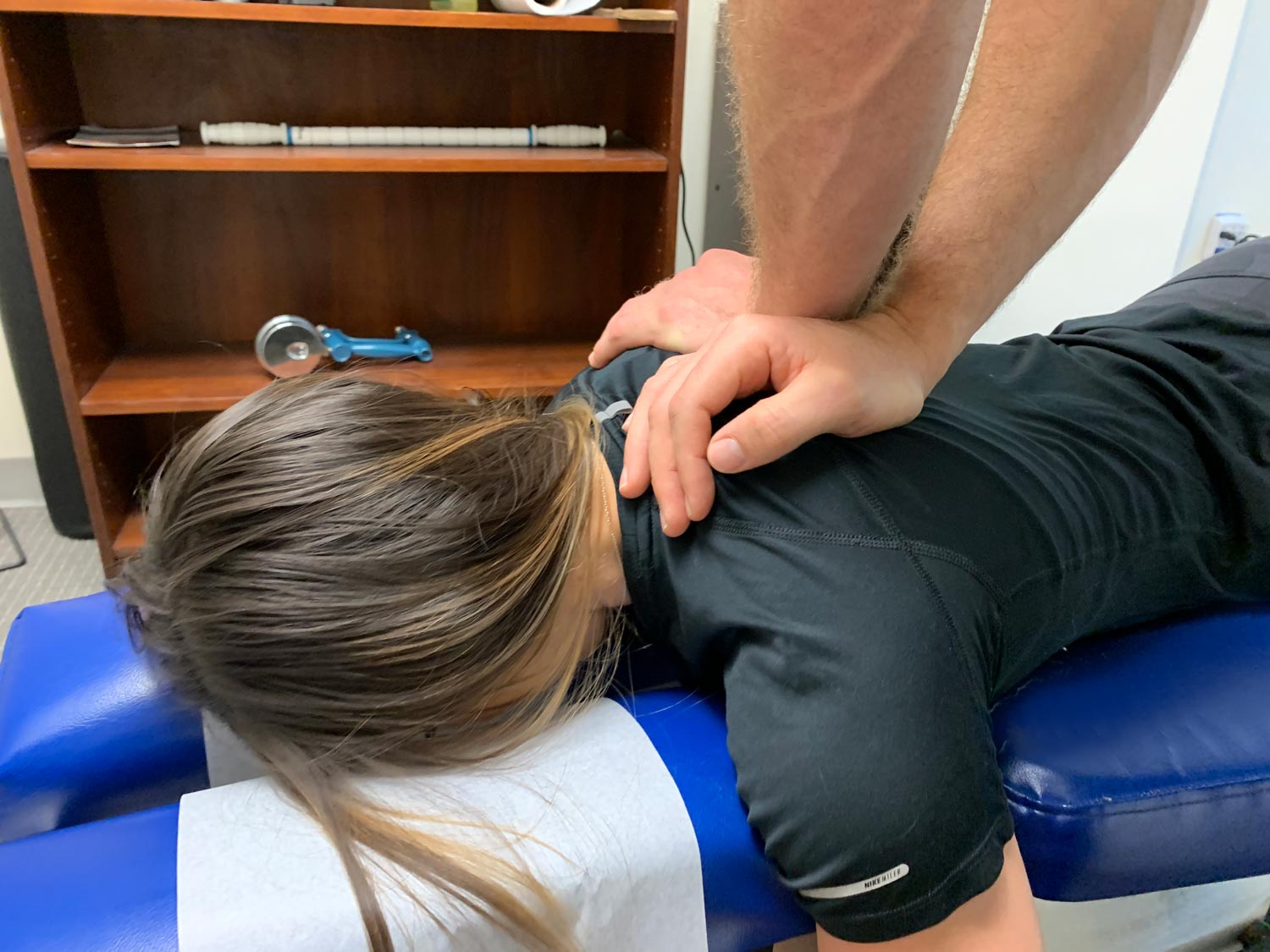
Sciatic nerve pain relief at our office begins with care aimed at the mechanical stress on the nerve. Gentle chiropractic adjustments help restore normal motion to the joints of the lower back and pelvis, which may take pressure off the irritated nerve root. Adjustments are delivered by hand or with an Activator instrument, depending on what suits you.
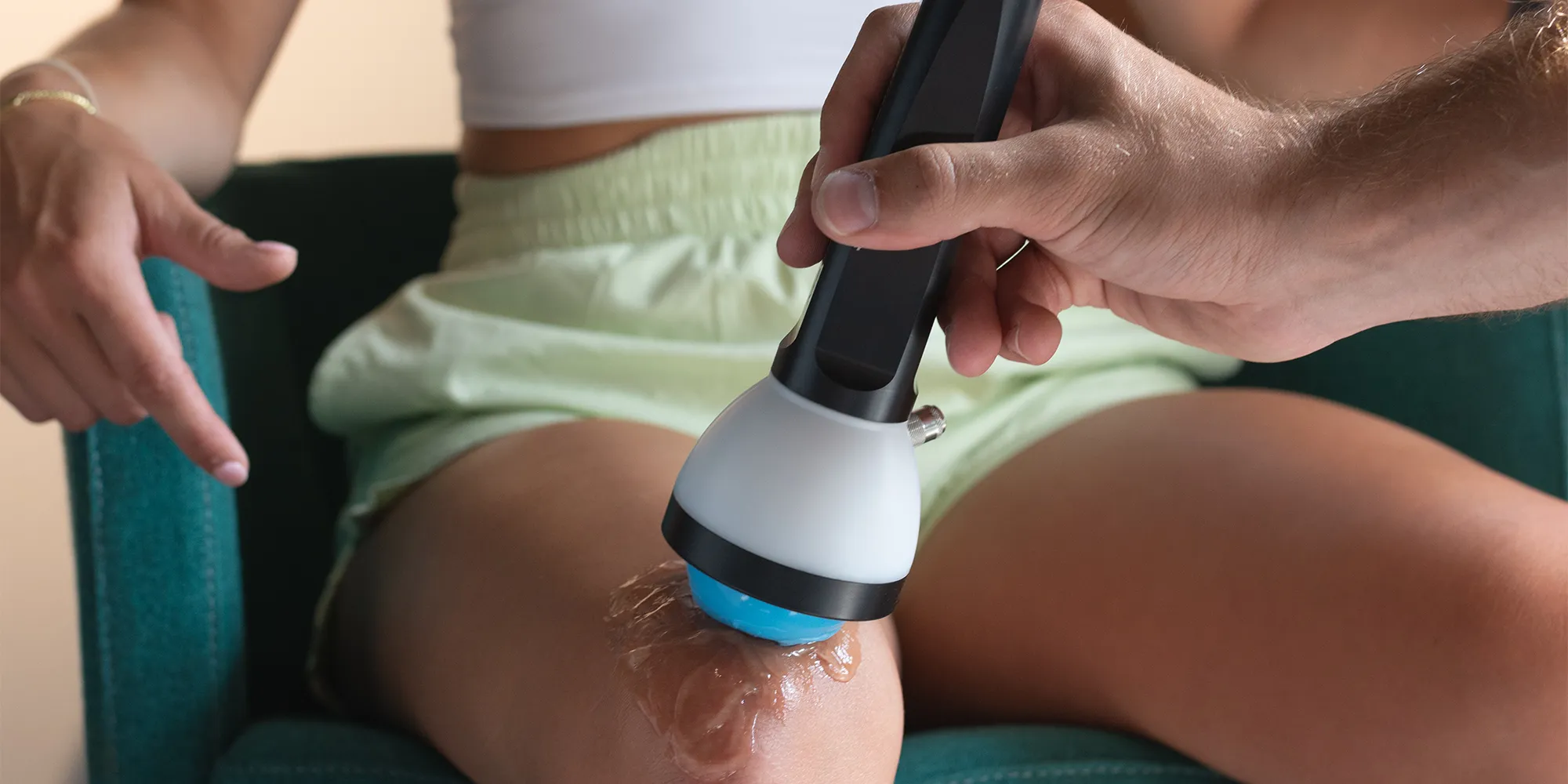
When a disc is involved, the doctors may add spinal decompression on a flexion distraction table to lower pressure inside the disc. Cold laser therapy, massage and other passive therapies can calm sore tissue during the early, painful stage. They make the first weeks more comfortable while the adjustments address the cause.
Care is designed to work without prescription medication. The aim of sciatica treatment in Raleigh, NC at our office is relief you notice in daily life: sitting through a meeting, sleeping on your side or walking without a limp.
Preventing Recurring Sciatica With Rehab
Recurring sciatica is often a sign that the original cause was never fully corrected. Once the sharp pain has eased, our focus turns to keeping it from coming back. That work happens through active rehab that you do in the office and at home, and it teaches you to spot early warning signs, such as a tight hip or a twinge in the buttock, before a full flare sets in.
If weak core and glute muscles or poor posture left you prone to flares, the doctors prescribe exercises to build strength and control from head to toe. A strong, mobile core shares load better, so less stress lands on the discs and nerves of the lower back. Stretches for the hips and hamstrings help the nerve glide freely.
Daily habits matter as well. Your doctor may suggest changes to how you sit at work, lift at home or set up your car seat, along with guidance on diet and nutrition that supports healthy tissue.
Why Patients Choose Our Doctors for Sciatica
Raleigh Central Chiropractic & Rehab has served Downtown Raleigh for over 23 years, and sciatica care follows the principle the practice was built on: treat the patient, not only the symptom. Solutions are shaped to each person instead of following a fixed script.
Dr. Ward and Dr. Chisholm look at how your spine, hips and nervous system work together, then build a plan around your body, your job and your goals. Care can combine adjustments, decompression, passive therapies and active rehab under one roof, with digital X-ray on site when needed.
You will understand your plan before it begins. Patients are treated like family, which means time for questions and honest answers about what to expect from sciatica treatment in Raleigh, NC.

Sciatica Treatment in Raleigh, NC, Glenwood South and Beyond
Our office is at 301 Glenwood Ave #200, Raleigh, NC 27603, in Glenwood South near Downtown Raleigh. Many patients who sit at desks downtown come in with leg pain that started in the lower back, and long drives can add to the strain. People also travel from Cary, Garner and Millbrook for sciatica treatment in Raleigh, NC, since the exam, imaging, adjustments and rehab all happen in one office.
Sciatica care is one part of our wider chiropractic pain treatment in Raleigh for the spine and joints. That means stiffness in the neck, an ache in the mid back or a sore shoulder can be examined during the same visits, and your plan can address everything that affects how you move.

Questions About Sciatic Nerve Pain
How long does sciatica usually last?
An episode of sciatica can last from a few weeks to several months, depending on the cause and how much pressure is on the nerve. Some cases ease on their own, but symptoms tend to return when the underlying cause remains. Starting care early may shorten the painful stage and lower the chance of another flare.
Can chiropractic care help sciatica caused by a herniated disc?
Yes, in many cases. Chiropractic care for disc-related sciatica aims to reduce pressure on the disc and the nerve root through gentle adjustments and decompression on a flexion table. Your exam and any imaging show whether conservative care fits your case. If signs point to a problem that needs a surgical opinion, the doctors will refer you.
Should I rest in bed when sciatica flares?
Short periods of rest can help during the worst pain, but long stretches in bed tend to leave the back stiffer and weaker. Gentle walking and changing positions often feel better than lying still. Your doctor can show you positions and movements that ease pressure on the nerve while you heal.
When is leg pain an emergency rather than sciatica?
Seek emergency care right away if leg pain comes with loss of bladder or bowel control, numbness in the groin or inner thighs, or weakness that gets worse quickly. These signs can point to severe nerve compression. Ordinary sciatica, while painful, does not usually include them and can be evaluated at a regular office visit.
What exercises help keep sciatica from coming back?
Exercises that strengthen the core and glutes and improve hip and hamstring flexibility are common parts of sciatica rehab. The right routine depends on your exam, since the wrong stretch can irritate a sensitive nerve. Your doctor will teach you a short program to do at home and adjust it as you get stronger.
Stop Planning Your Day Around Leg Pain
Sciatica that lingers or keeps returning deserves a clear diagnosis and a plan to correct its cause. Call (919) 829-5757 to schedule an exam at our Glenwood Avenue office and take the first step toward steady relief.