
Spinal Decompression in Raleigh, NC for Bulging and Herniated Discs
Gentle spinal decompression in Raleigh, NC is used to ease the pressure of bulging, herniated and worn discs without surgery or medication. Call (919) 829-5757 to book a disc exam near Glenwood South.
Signs Your Back or Neck Pain May Start in a Spinal Disc
Disc pain often feels different from a simple muscle strain. It tends to linger, and it can travel away from the spine into an arm or a leg. Many patients first notice it after lifting, twisting or sitting for long stretches at a desk.
- Back or neck pain that returns or will not settle
- Pain that spreads into the arm, buttock or leg
- Numbness or tingling in the hands or feet
- Stiffness that makes bending or turning difficult
- Weakness when gripping, standing or climbing stairs
One sign alone does not confirm a disc problem, because irritated joints, tight muscles and compressed nerves can all produce remarkably similar pain. A careful physical examination identifies the source, so treatment is directed at the disc only when the disc is genuinely responsible.
How a Healthy Disc Becomes a Painful One
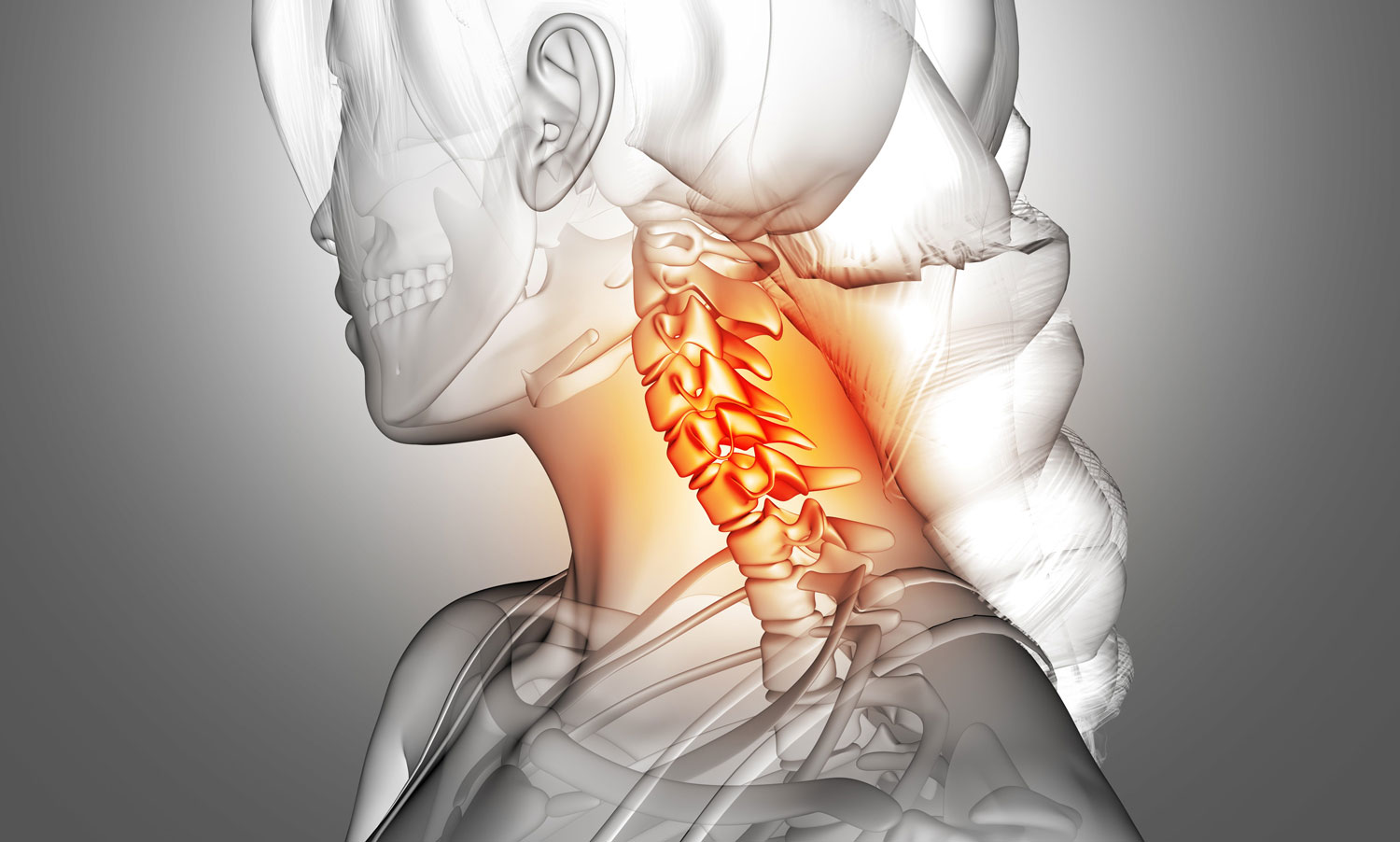
Spinal discs are the firm, cushion-like pads between each pair of vertebrae. They absorb shock, protect the spinal cord and nerves, and let the spine bend and turn. Each disc has a tough outer ring of fibers wrapped around a softer center.
Trouble usually begins with small tears in that outer ring. Repeated strain, poor posture, a sudden lift or an old injury can widen those tears over months or years. As the ring weakens, the disc can bulge outward or let some of its inner material push through, and nearby nerves may become irritated.
Time plays a part too. Discs lose some of their height and flexibility with age, which changes how the joints of the spine move and share load. That is why disc pain is common in adults who stay active, as well as in those who sit for most of the day.
What to Expect From Spinal Disc Care
Disc care starts with finding the problem, not guessing at it. Dr. Michael Ward and Dr. Chad Chisholm listen to your history, examine how your spine moves and then explain what they found in plain words.
Consultation and Exam
You describe your symptoms, when they started and what makes them better or worse. The doctor then tests your posture, range of motion, reflexes and strength.
Imaging When Needed
Some cases call for a closer look. The office has on-site digital X-ray, and an MRI referral is arranged when the doctor needs to see the disc itself.
A Plan Built Around You
Your plan may combine decompression, full spine adjustments and rehab exercises. Visits are adjusted as your pain eases and your movement improves.
Bulging Disc or Herniated Disc: What Is the Difference?
A bulging disc and a herniated disc are related injuries of different severity. With a bulge, small tears in the outer fibers let the disc push outward, a bit like a tire that has lost some air. Many bulges cause mild pain or none at all until they press on a nerve.
A herniated disc, sometimes called a protruded disc, is a more significant injury. Here the outer fibers tear through enough for some of the soft inner material to escape. That material can press on or inflame a nerve root, which is why a herniation is more likely to cause sharp pain, numbness or weakness in an arm or a leg.
Herniated disc treatment in our office focuses on taking pressure off the disc and the nerve, then restoring movement so the area can recover. A disc bulge is approached with the same goals, at a pace set by how your body responds. Your exam decides which approach fits.
Degenerative Disc Disease and Long-Term Disc Wear
Degenerative disc disease is not truly a disease. The term describes discs that have worn down, dried out or developed small cracks over time, a process that often comes with age. It is one of the most common reasons for ongoing disc pain in adults.
As a disc thins, the space between vertebrae narrows and the joints around it take on more load. Small fissures and scar-like adhesions can change how the spine moves for years. People with this condition may notice stiffness, a deep ache, weakness, numbness or pain that runs down a leg.
Degenerative disc disease treatment does not rebuild a worn disc. Instead, conservative care aims to improve spinal mobility, relieve pressure on surrounding nerves and strengthen the stabilizing muscles that support the spine, so that everyday activities feel easier.
How Cox Flexion Distraction Decompresses the Spine
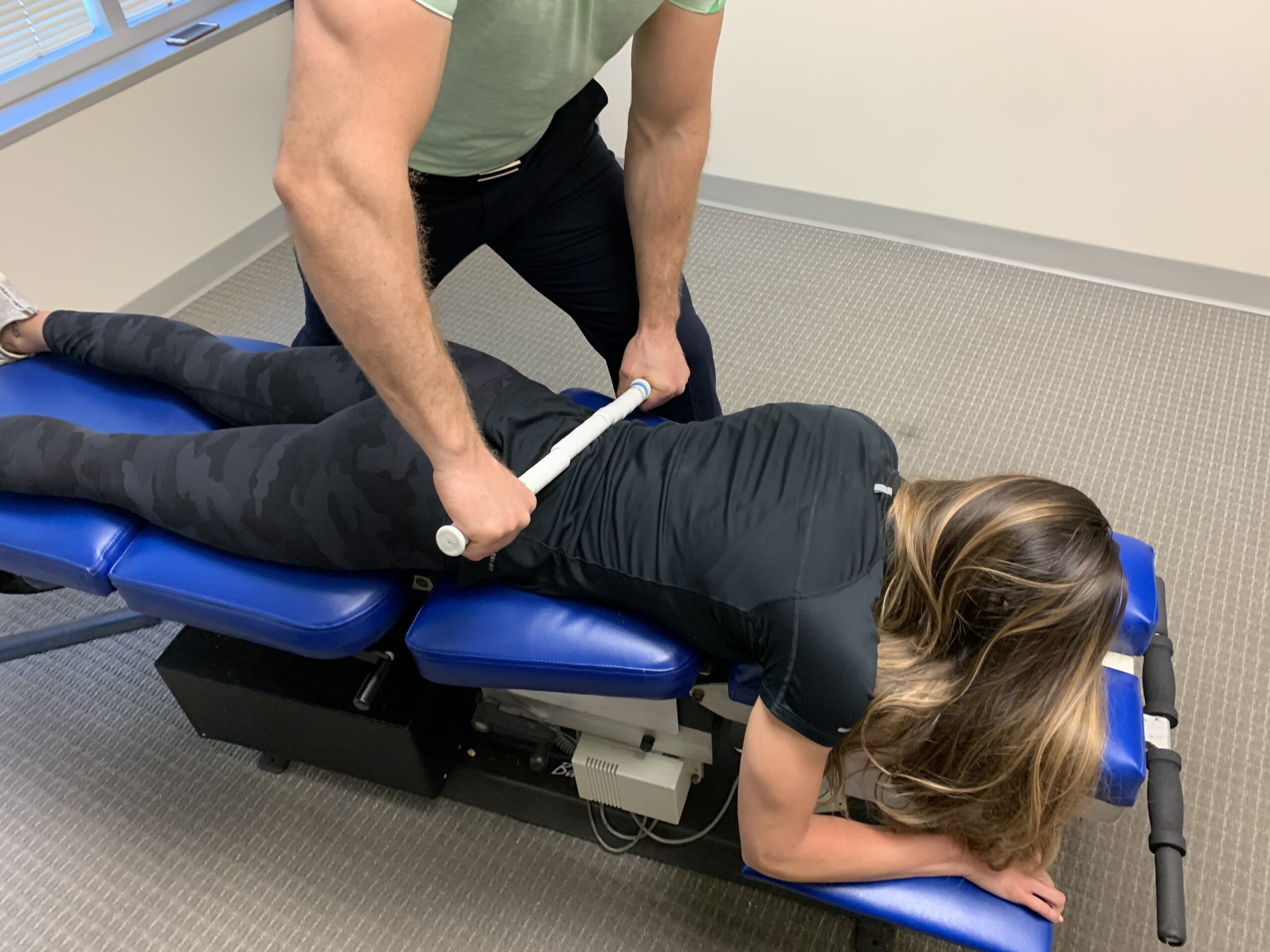
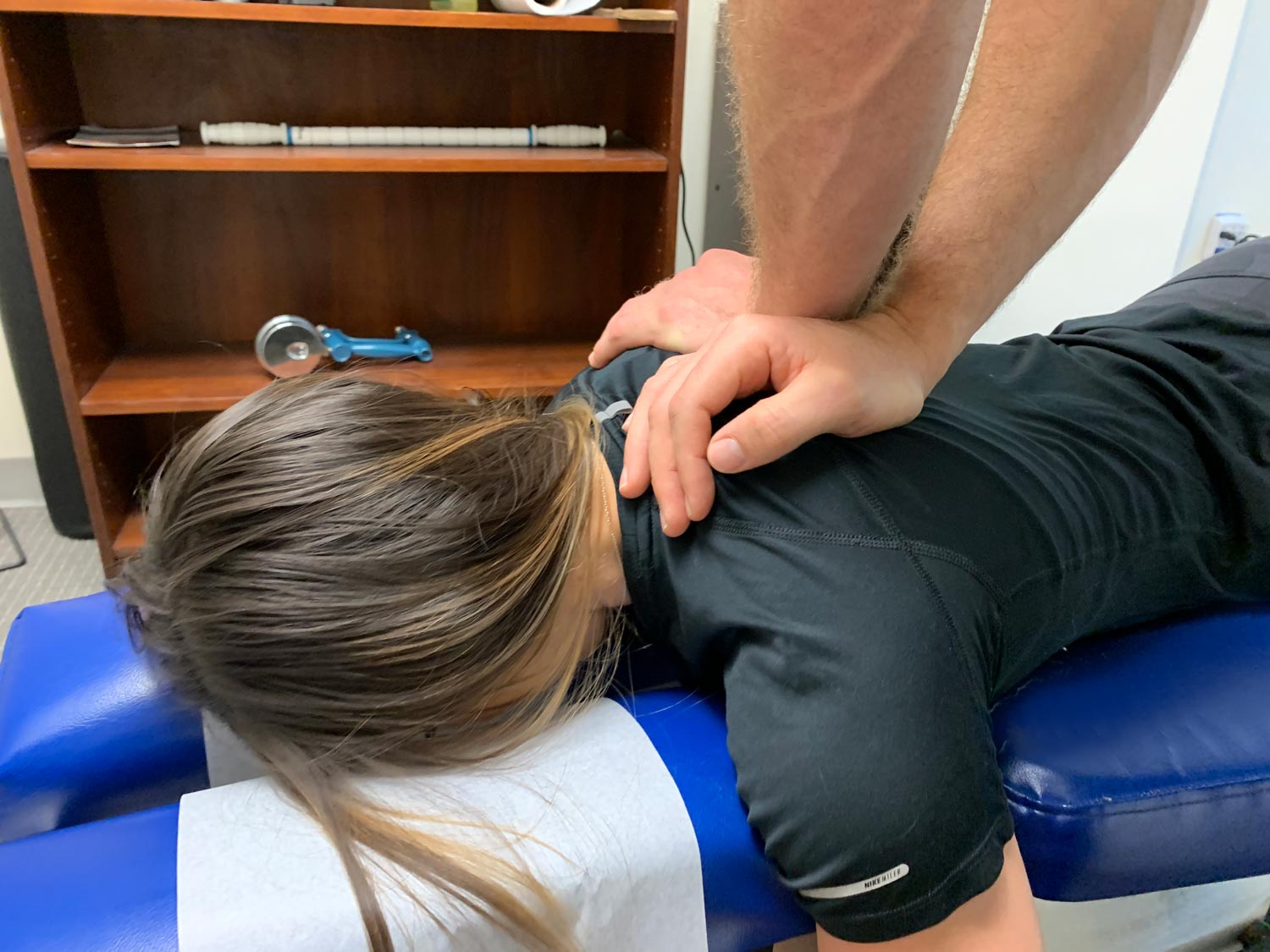
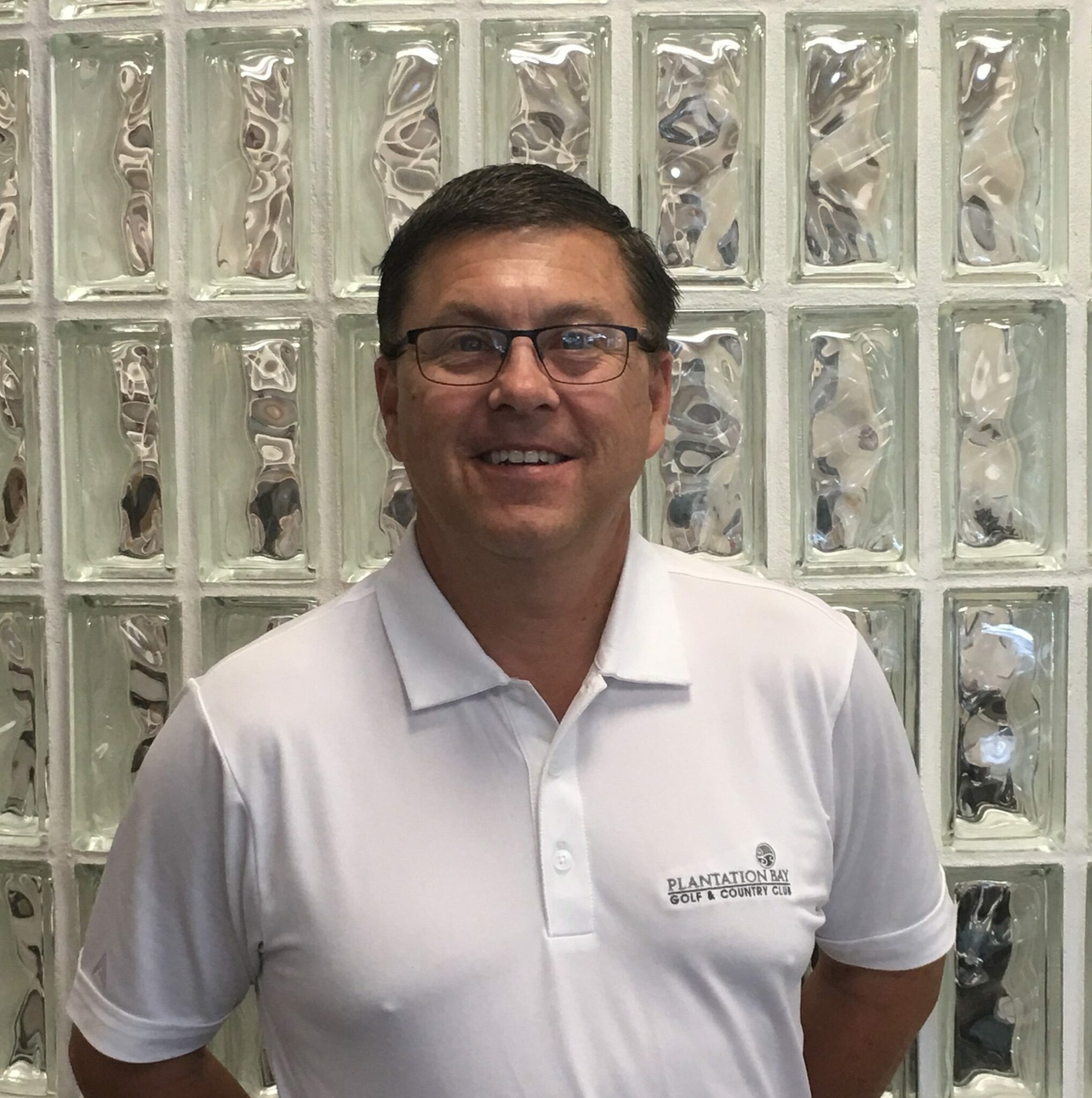
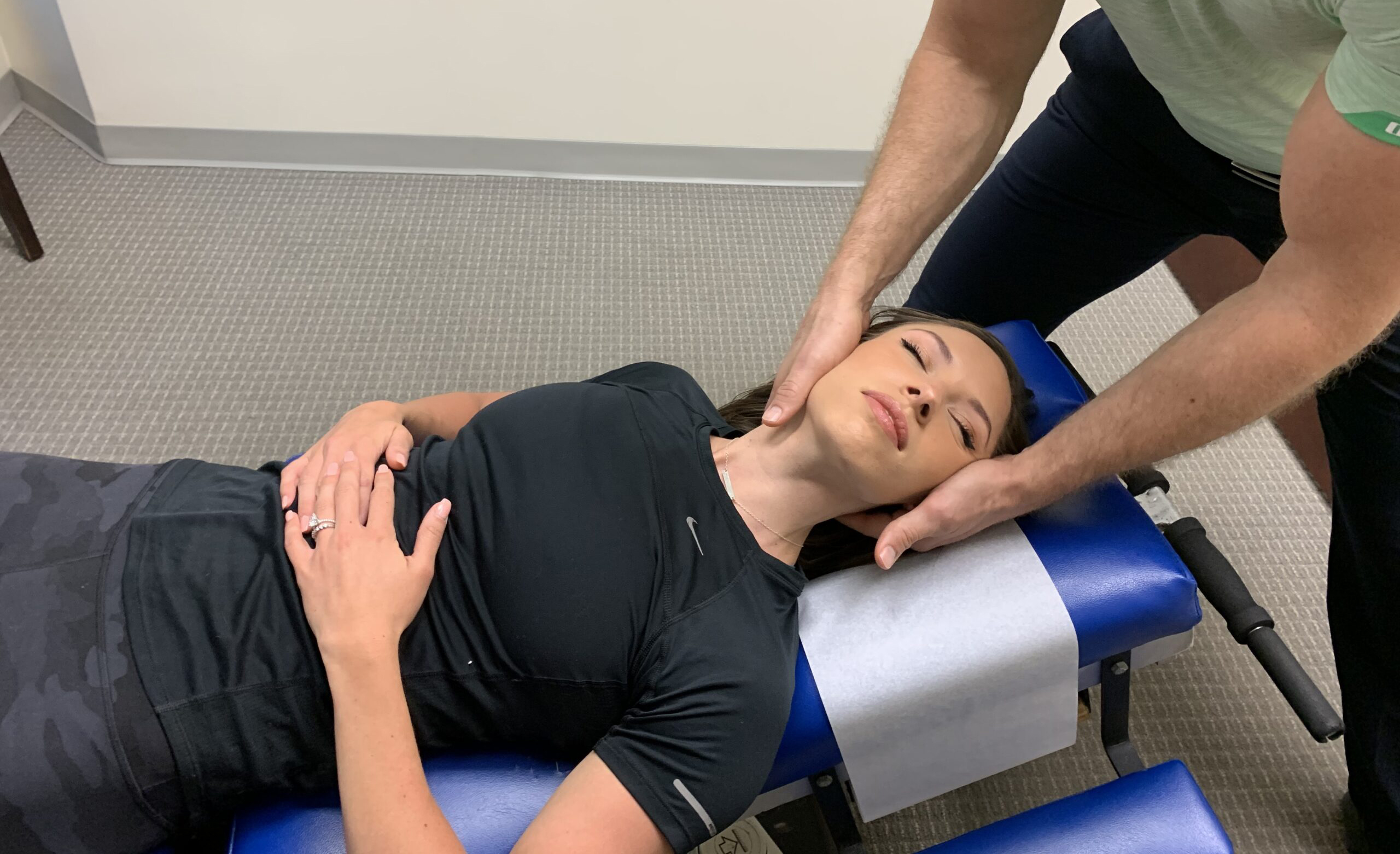
Cox Flexion Distraction is the method our doctors use for spinal decompression in Raleigh, NC. You lie face down on a specially designed table that gently flexes and lengthens the spine in a slow, rhythmic motion. The doctor controls each movement and adjusts it to your comfort.
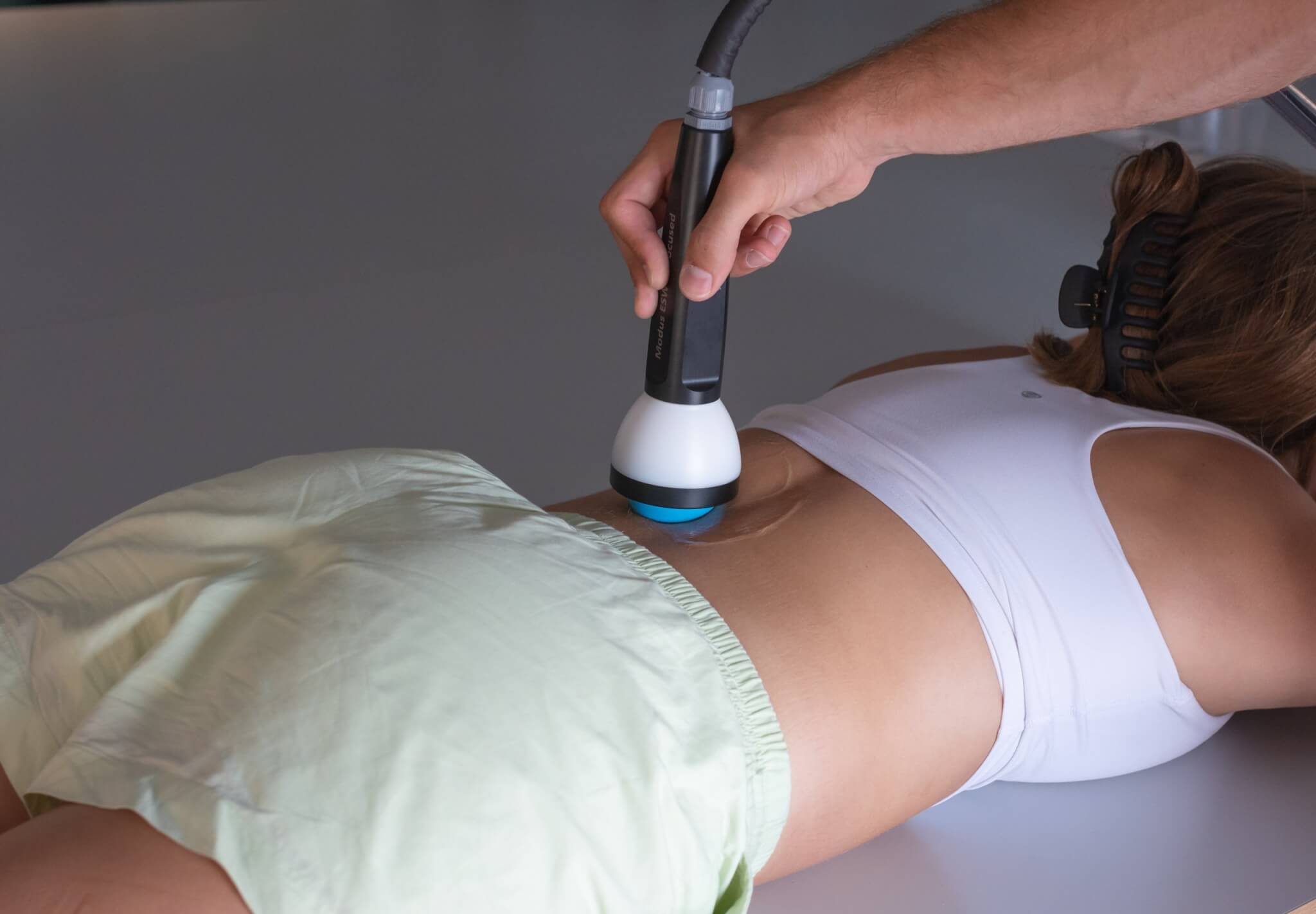
The goal is to reduce pressure inside the disc space and open the small passages where spinal nerves exit. Lower pressure may help an injured disc settle and give irritated nerves room to calm down. The motion also helps restore range of motion to the joints of the spine.
The table work is gentle and non-surgical, and many patients find it relaxing. It is often paired with chiropractic adjustments and rehab exercises to hold the gains between visits.
Why Patients Trust Our Doctors With Disc Pain
Raleigh Central Chiropractic & Rehab has cared for patients in Downtown Raleigh for more than 23 years. Disc care has been a core part of the practice throughout that time, with a decompression table and digital X-ray in the same office. People looking for spinal decompression in Raleigh, NC get exam, imaging and treatment under one roof.
Our approach looks past the sore spot to the cause. The doctors combine adjustments with active and passive rehab from head to toe, aiming to build a strong, mobile core that protects the discs once the pain fades. Nutrition and daily habits are part of the conversation as well.
Patients are treated like family here. You get time to ask questions, a clear explanation of your exam and a plan you understand before care begins.
Spinal Decompression in Raleigh, NC, Glenwood South and Nearby Towns
Our office sits at 301 Glenwood Ave #200, Raleigh, NC 27603 in Glenwood South, on the edge of Downtown Raleigh. Spinal decompression in Raleigh, NC is an easy trip for people who work in the downtown offices nearby, and a visit can fit around the start or end of a workday. Patients also come from Cary, Garner and Millbrook for disc care, since the exam, X-ray and decompression table are all in one place.
Disc pain rarely travels alone. When a disc sends pain down the leg, our sciatica treatment uses many of the same tools, including decompression and core rehab. Disc care also sits alongside the rest of our chiropractic pain treatment in Raleigh, from neck pain and headaches to back pain and sports injuries, so one team can follow your care when more than one area needs attention.
Common Questions About Disc Decompression
Is spinal decompression the same as traction?
Not exactly. Traditional traction pulls the spine in a steady line, while the flexion distraction table moves the spine through gentle, rhythmic bending that the doctor controls by hand. That movement is meant to lower pressure inside the disc and restore joint motion at the same time. Many patients find it more comfortable than static traction, and the doctor adjusts the motion to suit your condition.
Can a herniated disc heal without surgery?
Many herniated discs improve with conservative care, though every case is different. Non-surgical care aims to take pressure off the disc and nerve, calm inflammation and restore movement while the body repairs the injury. If your exam or imaging shows signs that call for a surgical opinion, such as weakness that keeps getting worse, the doctors will tell you and help arrange a referral.
How many decompression visits will I need?
The number of visits depends on the type of disc problem, how long you have had it and how your body responds. Your doctor will outline a starting plan after the exam and review your progress as you go. Visits are often closer together at first, then spaced out as symptoms ease and strength returns.
Does disc decompression hurt?
Most patients describe the table motion as a gentle stretch rather than pain. The doctor controls the speed and depth of each movement and stops or changes it if anything feels sharp. Some people feel mild soreness after the first sessions, much like the feeling after a new exercise, and it usually fades as the spine adjusts.
Do I need an X-ray or MRI before disc care?
Not always. Many disc problems can be identified through a careful history and physical exam. When the doctor needs more detail, the office can take digital X-rays on site, and an MRI referral is arranged when the soft tissue of the disc must be seen directly. Imaging decisions are made case by case, never by routine.
Take Pressure Off Your Discs, Starting This Week
Disc pain that keeps coming back often has a mechanical cause worth finding. Call (919) 829-5757 to book an exam at our Glenwood Avenue office and get a clear answer about what your discs need.