Sports Injury Treatment in Raleigh, NC to Get You Back in the Game
Our sports injury treatment in Raleigh, NC looks at your whole body, not only the joint that hurts, so you can train and compete with less pain. Call (919) 829-5757 to book an exam.
Signs a Sports Injury Needs More Than Rest
Most bumps and strains settle within a few days. When pain lingers, returns every time you play or changes how you move, it is worth having it examined. Compensating for a sore joint often shifts stress to another part of the body.
- Shoulder and knee pain that flares during or after activity
- Elbow or wrist pain when gripping a racket, club or bar
- Ankle or foot pain that alters your stride
- Swelling, stiffness or a joint that feels unstable
- Loss of strength, speed or range of motion
- Pain that has lasted for weeks or keeps coming back
Chronic aches deserve as much attention as sudden injuries. An old ankle sprain or a stiff hip can quietly change the way you run, swing or lift for years.
How Athletic Injuries Develop Over Time
Sports injuries come in two broad types. Acute injuries happen in a moment, such as a rolled ankle on the court or a jammed finger in football. Overuse injuries build slowly from the same motion repeated over and over, like a golf swing, a tennis serve or a heavy set in the weight room.
Every sport relies on chain-like movements that link the feet, hips, spine, shoulders and hands. When one link stiffens or shifts out of alignment, the joints above and below it work harder to make up the difference. Over weeks or months, that extra load can irritate tendons, ligaments and cartilage.
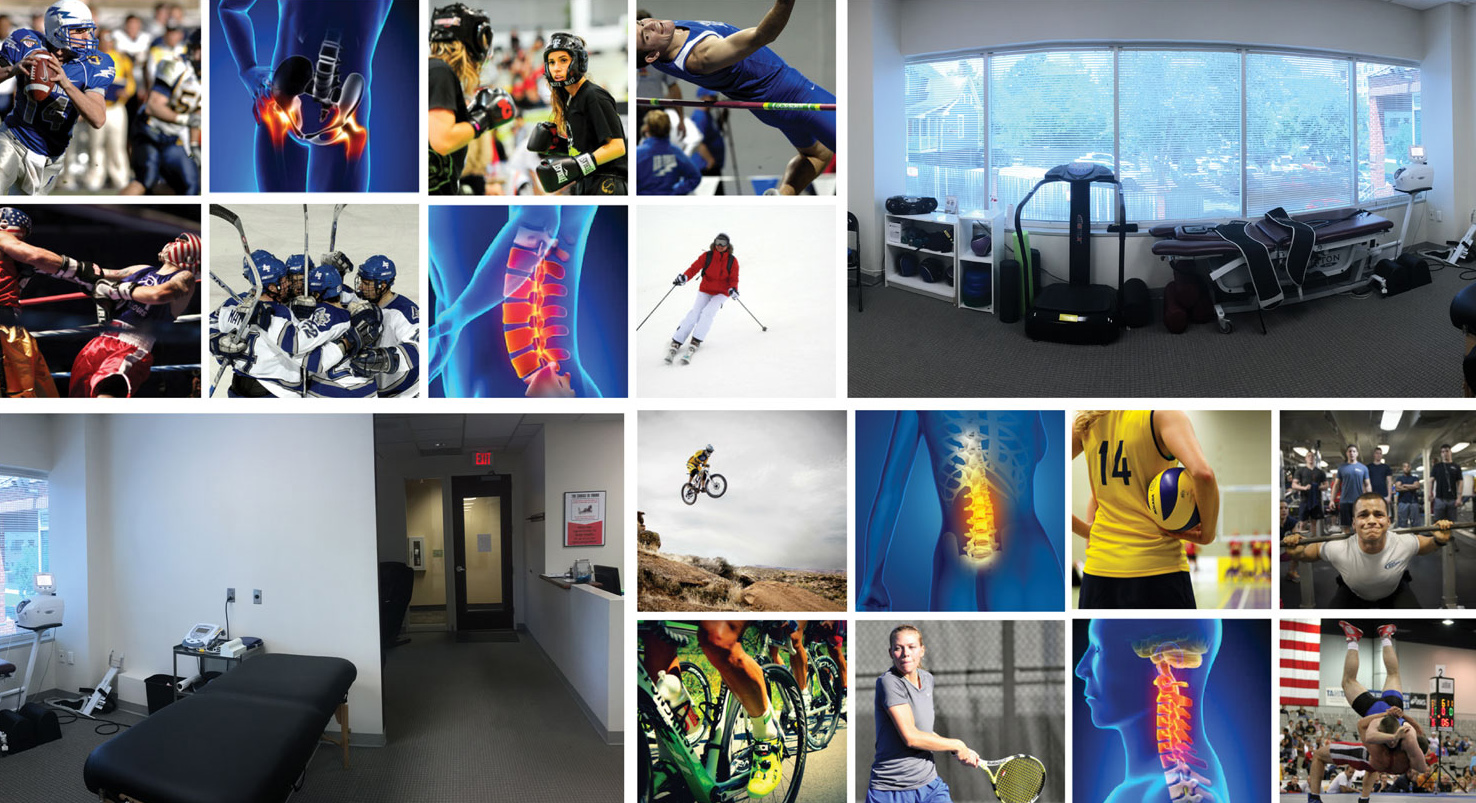
Basketball, football, tennis, golf and strength training each stress the body in their own pattern. Knowing those patterns helps the doctors trace a painful joint back to the movement habit that may be feeding it.
What to Expect From Sports Injury Care
Sports care starts with how you move. Dr. Michael Ward and Dr. Chad Chisholm want to know your sport, your training load and the motion that brings on the pain. Those details shape every step that follows.
Movement Screening
The doctor checks the injured area along with your spine, hips and other joints. Watching you squat, reach or balance shows where motion breaks down.
Targeted Treatment
Care may include adjustments, soft tissue work, cold laser therapy and taping. Each one is chosen to calm the injured area and restore normal motion.
Return to Play
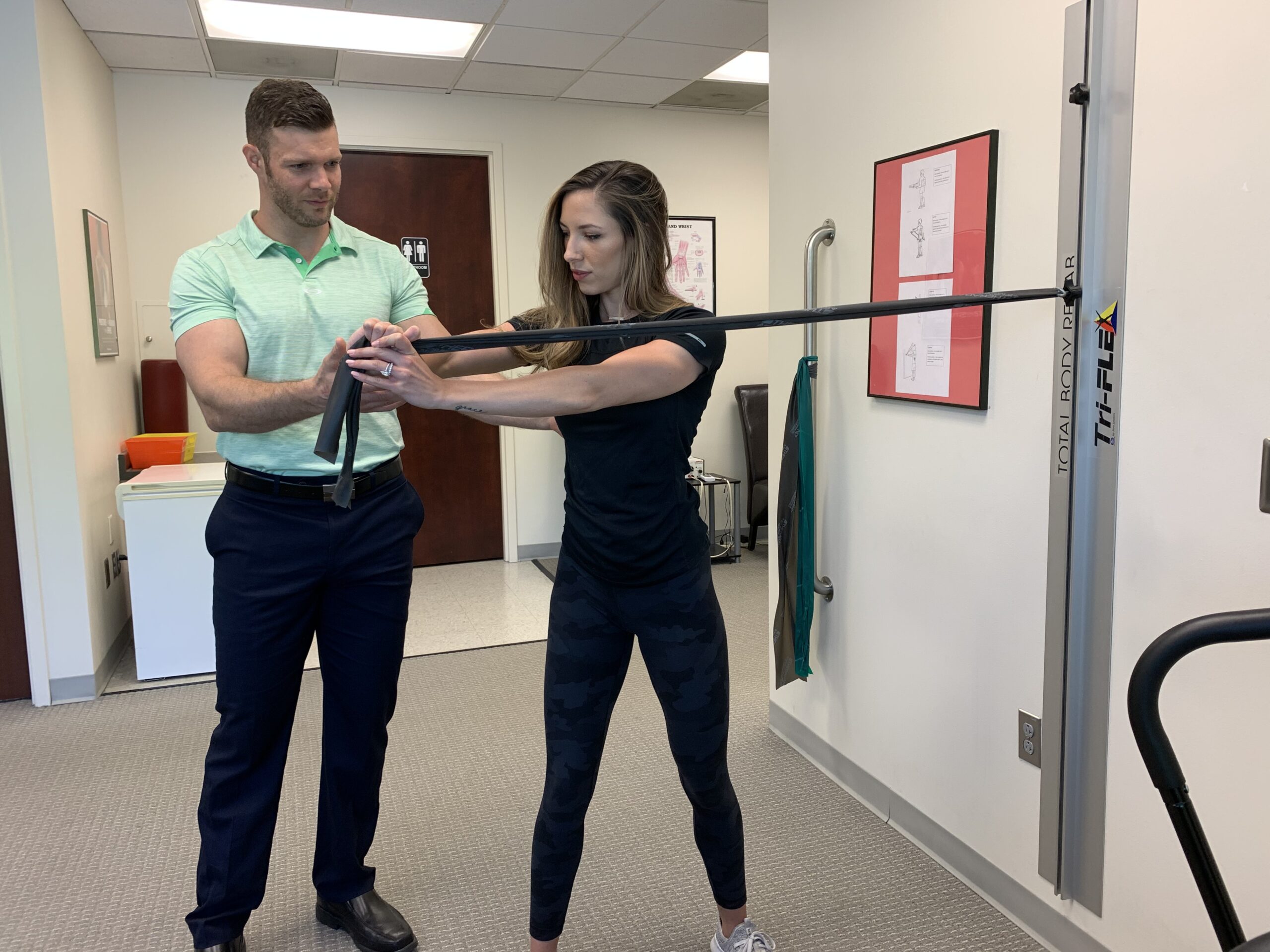
Active rehab rebuilds strength and control so you can get back to your sport. Exercises progress as your body is ready for more.
A Whole-Body View of Extremity Pain
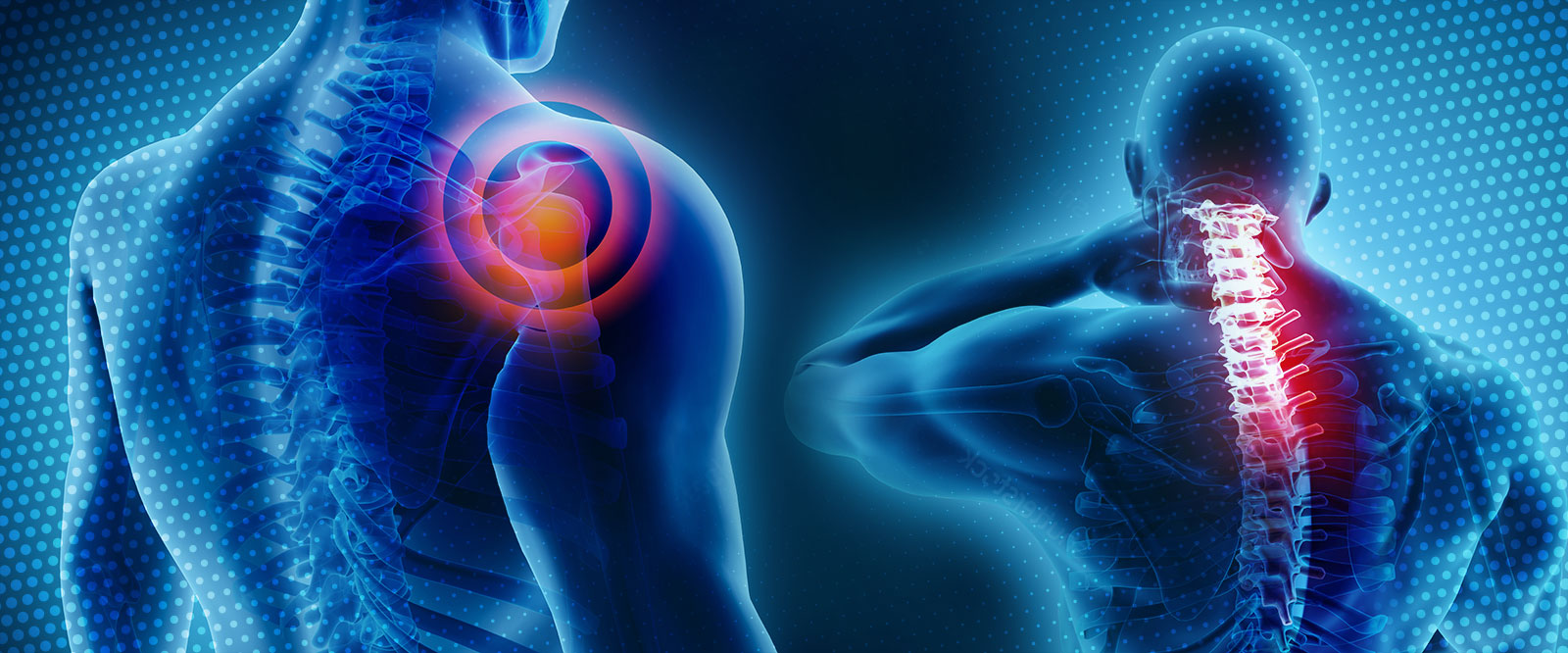
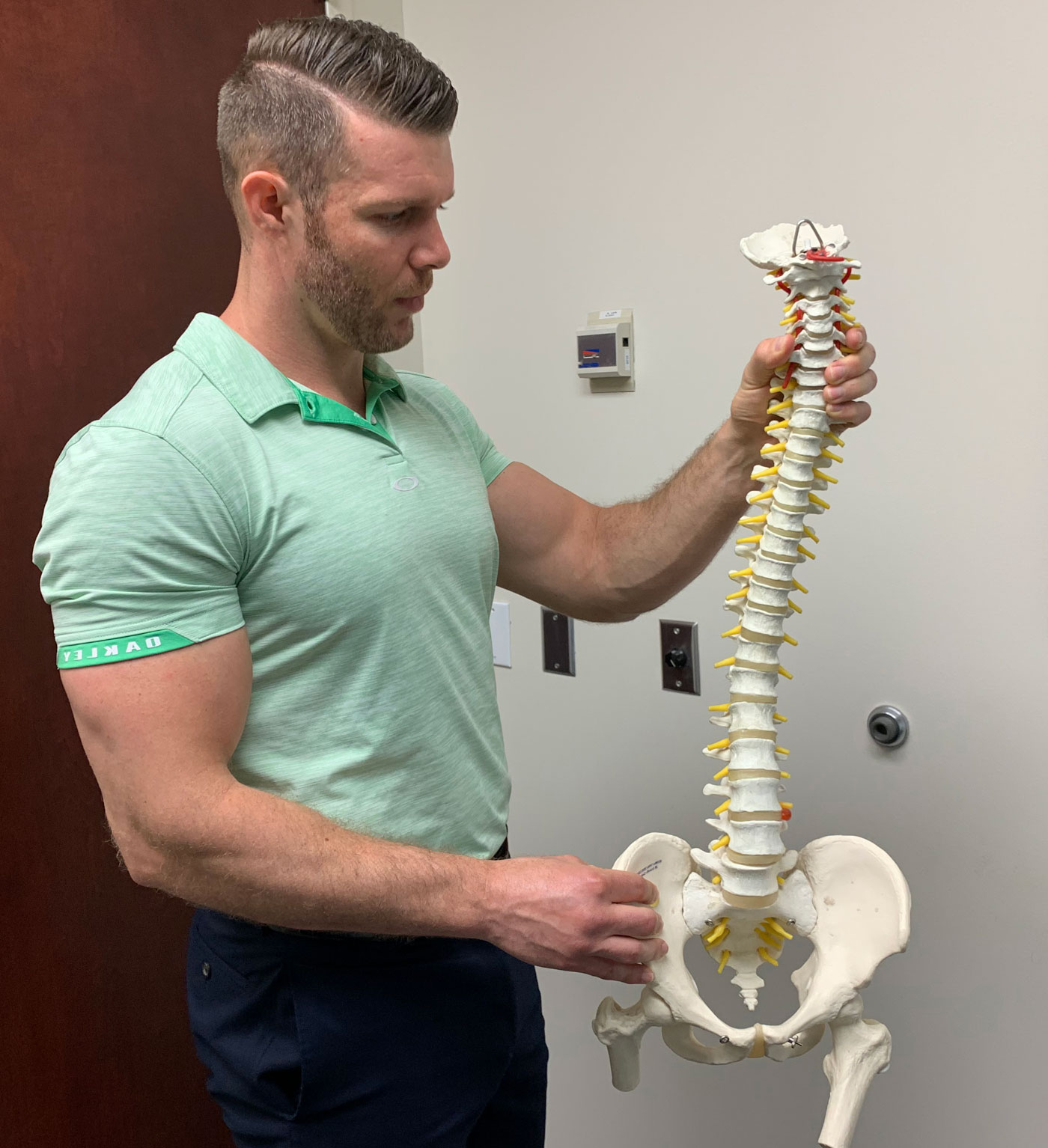
Extremity pain in a shoulder, elbow, wrist, hand, knee, ankle or foot does not always start where you feel it. Nerves, bones and muscles work as one connected system, so a problem in one region can show up somewhere else. That is why sports injury treatment in Raleigh, NC at our office examines the whole body instead of the sore spot alone.
A misalignment in the lower back or pelvis can change how force travels to the knee and ankle. Stiffness in the upper back or neck can affect how the shoulder and elbow move during a throw or swing. Some patients are surprised to learn that a wrist or knee problem they have lived with for years is linked to the spine or hips.
Finding those connections matters. Treating the link that drives the problem can make care of the painful joint work better and help keep the same injury from returning. It also explains why a runner with ankle pain may leave a visit with exercises for the hips.
Adjustments Paired With Active and Passive Therapies
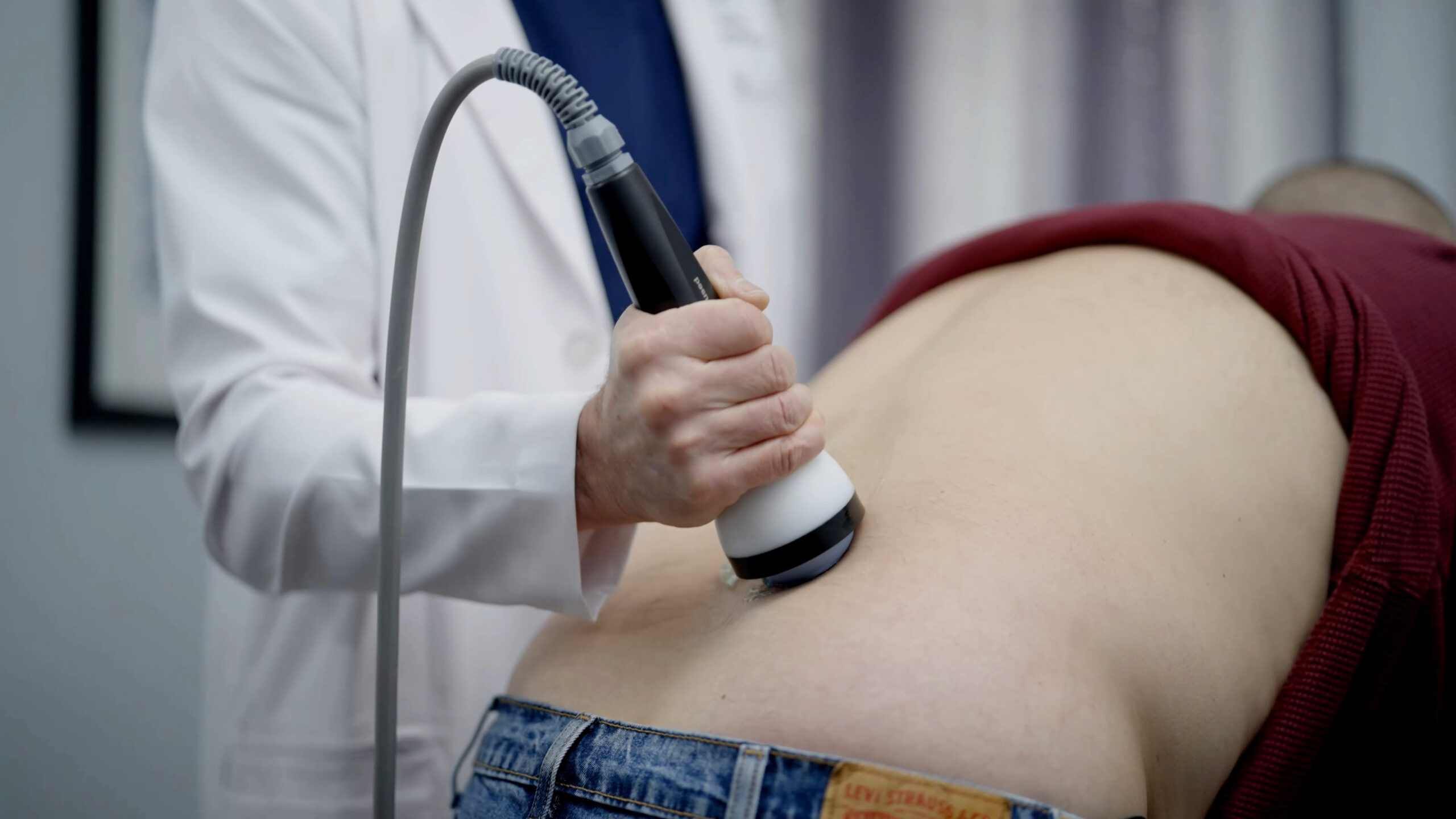
Targeted adjustments to the spine help restore normal joint motion and healthy nerve flow to the arms and legs. Our doctors deliver chiropractic adjustments by hand or with an Activator instrument, choosing the method that suits the patient. The aim is lasting relief, not a quick fix that fades by the next game.
Adjustments are usually paired with passive therapies, which are treatments done for you while you rest. Examples include soft tissue massage, cold laser therapy and guided stretches. Each one is chosen to calm pain and tension so that active work can begin sooner.
Active therapies are the exercises you perform to rebuild strength, balance and control. This mix of hands-on care and active work is the core of our sports rehab approach, and it prepares the body for the demands of your sport.
Kinesio Taping for Support During Recovery
Kinesiology tape is a flexible, stretchy tape applied over muscles and joints to support them without limiting movement. It is a medication-free way to add stability, help control pain and support circulation around an injured area. Many professional athletes wear it during competition.
The tape gently lifts the skin over the target area, which is thought to improve blood and lymph flow and ease pressure on sore tissue. It can help reduce swelling, support a weak joint or retrain a muscle that is not firing well during movement. Taping works alongside adjustments and rehab rather than in place of them.
Because the tape stays on through activity, many athletes can keep training while they heal. Our athletic kinesio taping is often added to a sports injury plan for shoulders, knees and ankles. The doctor chooses the direction and tension of the tape for your injury, then explains how to care for it at home.
Why Athletes Trust Our Team With Their Recovery
Raleigh Central Chiropractic & Rehab has cared for active people in Downtown Raleigh for more than 23 years. Our doctors understand the movements behind common sports injuries and look for the cause of pain instead of chasing symptoms.
Care is built to support athletic injury recovery from start to finish. Adjustments, massage, cold laser therapy, kinesio taping and active rehab are all available in one office, along with on-site digital X-ray when an injury needs a closer look.
Whether you play in a weekend league, run before work or lift at lunch, you get sports injury treatment in Raleigh, NC that fits your sport and your schedule. Patients are treated like family, with time to ask questions and clear goals for each stage.
Sports Injury Treatment in Raleigh, NC, Glenwood South and Surrounding Towns
Our office at 301 Glenwood Ave #200, Raleigh, NC 27603 sits in Glenwood South, on the edge of Downtown Raleigh. It is a short trip for downtown workers who train before or after the workday. Athletes and active adults also come from Cary, Garner and Millbrook for sports injury treatment in Raleigh, NC.
Injuries to the limbs and the spine are often connected, so care for a sore knee or shoulder may include work on the lower back, hips or neck. Sports care is one branch of our broader chiropractic pain treatment in Raleigh, which also covers neck pain, headaches, back pain and disc problems. A single team can then manage an injury that affects more than one area of the body.
Sports Injury Questions Athletes Ask
Should I see a chiropractor or wait for a sports injury to heal?
Minor strains often improve within a few days of rest and ice. If pain lasts longer than a week or two, keeps returning when you play or changes how you move, an exam is a good idea. Early care can address the cause before compensation spreads stress to other joints. Severe swelling, deformity or an inability to bear weight calls for urgent medical care first.
Can I keep training while my injury is being treated?
Often, yes, with some changes. Your doctor may suggest lowering intensity, swapping certain drills or adding kinesio tape for support, so you can stay active without making the injury worse. Complete rest is not always necessary, though some acute injuries do need a break from play. Your plan will spell out what is safe at each stage of recovery.
Why would a chiropractor adjust my back for knee pain?
The knee sits in a chain that runs from the foot through the hips and lower back. When the pelvis or lower spine is misaligned or stiff, the knee can absorb forces it was not built to handle. Correcting motion higher up the chain may reduce strain on the knee, which is why your doctor examines the whole body.
How long does it take to recover from a sports injury?
Recovery time depends on the type of injury, how long it has been present and how the tissue responds to care. A recent minor strain may settle in a few weeks, while a long-standing overuse problem can take longer. Your doctor will set expectations after the exam and track measurable progress, such as strength and range of motion, along the way.
Can I wear kinesio tape during a game or practice?
Yes. Kinesio tape is designed to be worn during activity, including practices and games. It is thin, flexible and moves with the skin, so it does not limit your range of motion. People with sensitive skin should mention it, since the adhesive can occasionally cause irritation. Your doctor will show you how long to leave the tape on and how to remove it gently.
Get Your Training Back on Track
Pain that keeps you on the bench or holds back your workouts is worth a closer look. Call (919) 829-5757 to book a sports injury exam on Glenwood Avenue and build a recovery plan around your sport.